Loading... Today

-- 0

-- 0

The Electrical Post
Global Generator Market
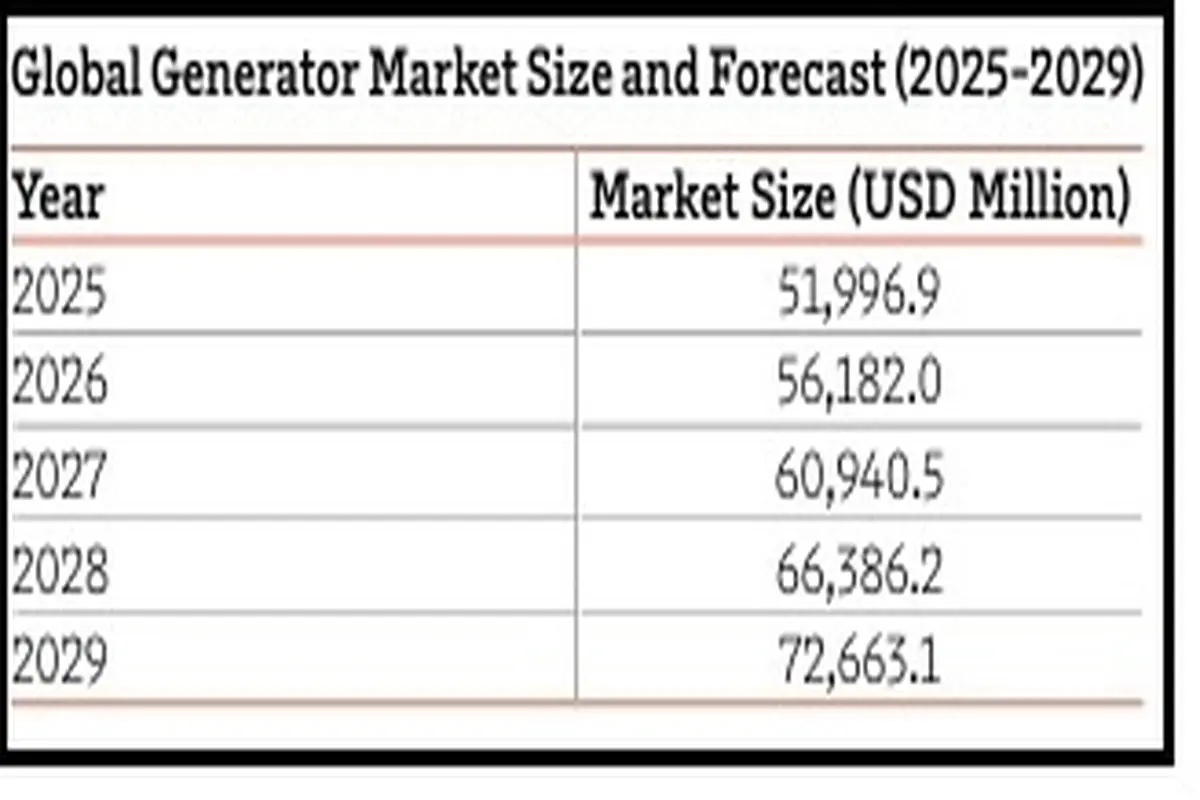
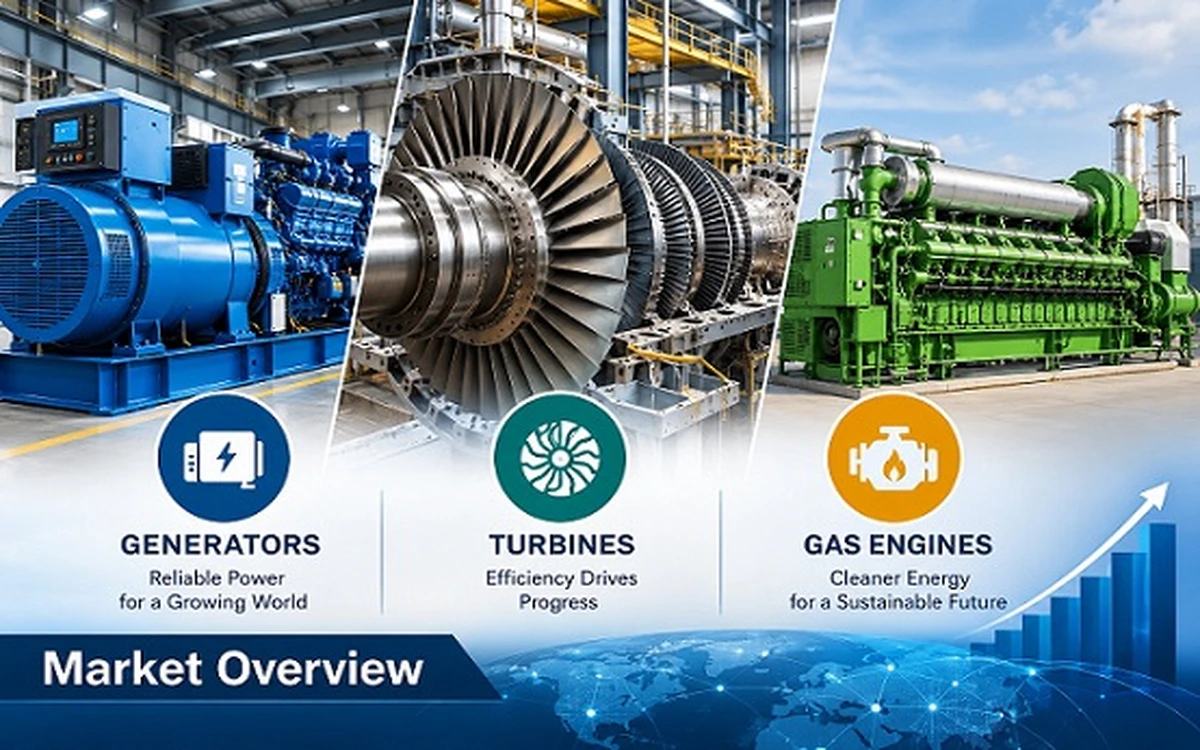
Generators are machines that convert mechanical energy into electrical power, serving a diverse range of applications from continuous power supply to emergency backup and supplementary power requirements. These machines are widely used in industrial, commercial, and residential settings to meet power demands, especially in regions with unreliable electricity infrastructure. A typical generator unit comprises several components, including an engine, fuel cell, alternator, main assembly, and cooling and exhaust systems, among others, all working in unison to efficiently generate and regulate current. The global generator market is projected to reach USD 51,996.9 Million in 2025, reflecting a steady year-on year increase as demand continues to rise across both industrial and residential applications. By 2029, the global generator market is expected to scale up to USD 72,663.1 Million, driven by infrastructure development, energy transition needs, and backup power demand.
The growth of the global generator market is primarily fuelled by rapid industrialisation and the increasing adoption of construction equipment, particularly in developing nations such as India, China, South Korea, South Africa, and Brazil. In these countries, an increase in urbanisation has accelerated industrial activities.
However, persistent power outages and unstable electricity infrastructure remain significant challenges, creating an urgent need for dependable backup power sources. As many growing urban centres face inadequate power generation capacity and limited transmission and distribution (T&D) infrastructure, generators are becoming a crucial solution to bridge the energy gap.
Segment-Wise Insights: Stationary vs. Portable
In 2025, the stationary generator segment is projected to strengthen its dominance, accounting for 76.7% of the global generator market. This steady rise reflects the growing preference for high-capacity, long-duration backup power solutions, particularly across industrial and commercial sectors. Meanwhile, the portable generator segment is expected to account for 23.3% of the market, maintaining its relevance in residential and small-scale applications.
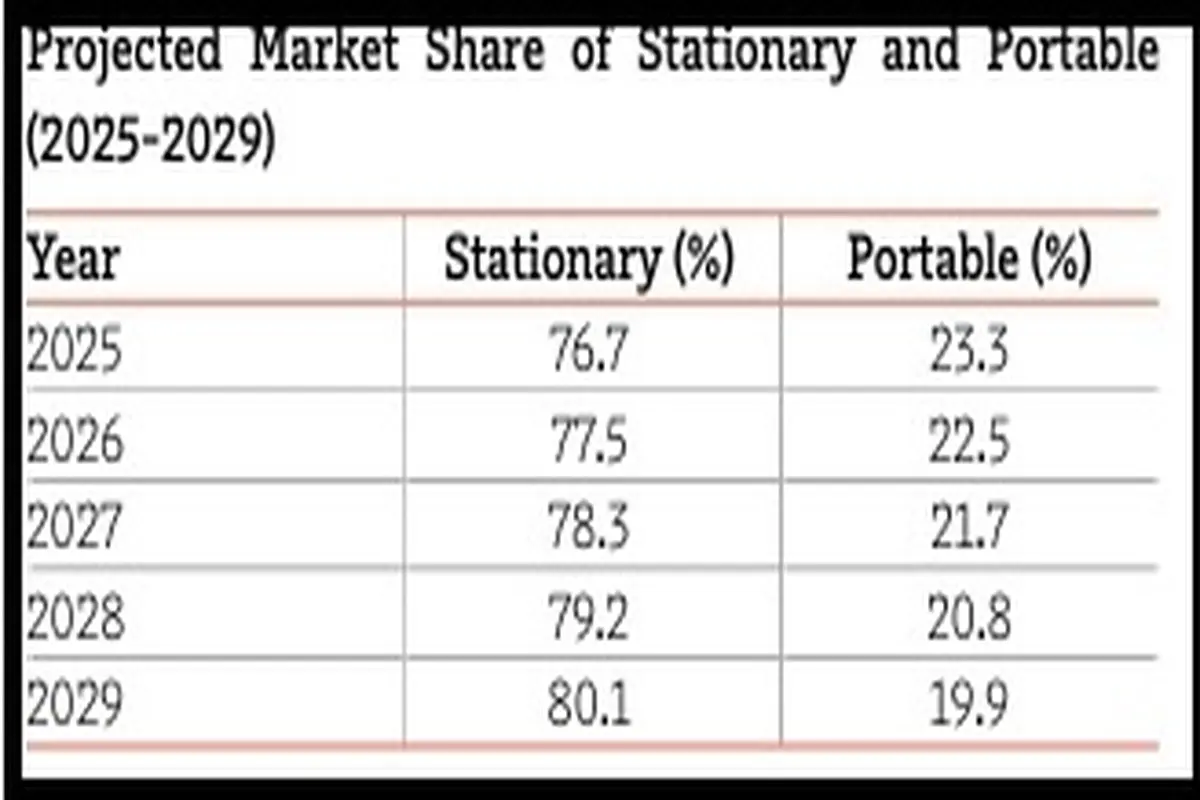
By 2029, the share of stationary generators is expected to reach 80.1%, further solidifying their position as the primary choice for reliable and scalable power generation. In contrast, the portable generator segment is forecasted to decline marginally to 19.9%, amid increasing investments in permanent backup infrastructure and microgrid systems.
Steam Turbine
Demand for steam turbines is expected to drive the market to reach USD 29.58 Billion by 2032. Increasing demand for electricity worldwide and the rising demand for on-site power generation are the key market drivers boosting the growth of the steam turbine market in the future.
Due to a rise in the demand for on-site power generation and a promising future for steam-intensive industries, industrial application is expected to increase. Additionally, the steam turbine market share will increase with increased applicability in sugar plants, refineries, pulp & paper industries, and chemical facilities. The business dynamics will be aided by favourable policies on the expansion of power-generating capacity to meet the rising electricity demand and reduce the demand supply gap.
Gas Turbines
By 2032, the gas turbine market size is projected to expand from USD 25.26 Billion in 2025 to USD 34.75 Billion, with a CAGR of 4.66%. The gas turbine market in the US is projected to grow significantly, reaching an estimated value of USD 4.05 Billion by 2032, driven by the global transition to natural gas-based power generation and technological advancements to improve the efficiency of turbines.
Advancements in materials and diagnostics are enhancing the reliability and durability of gas turbines, leading to longer operating lifespans and reduced downtime. New designs and control systems are making gas turbines more flexible, allowing them to adapt to the fluctuating electricity demand and integrate with renewable energy sources.
Hydro Generators
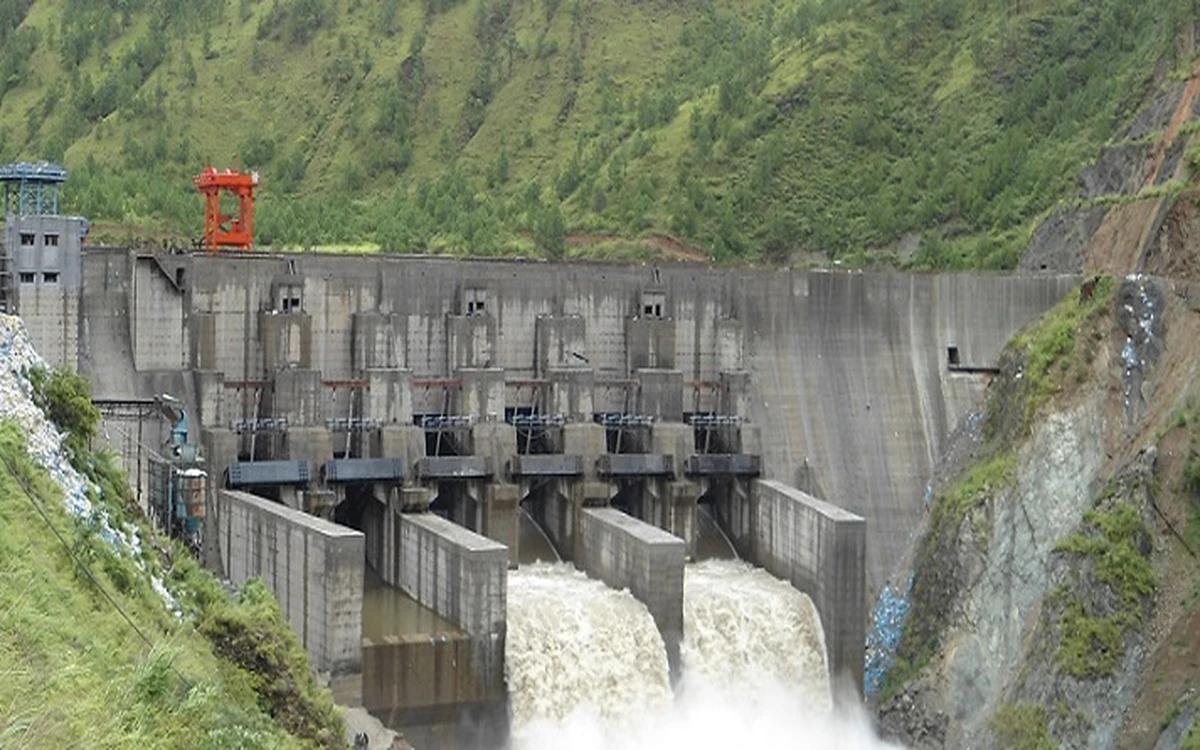
The hydro generators sector is on track to surpass USD 301.61 Billion by 2034, bolstered by investments in renewable energy and the rapid development of hydropower projects, especially in Asia-Pacific. Countries like China, India, and Southeast Asian nations are investing heavily in hydropower projects to meet escalating energy demands sustainably. Small and micro hydropower installations are gaining popularity, catering to localised energy needs. Additionally, digitalisation is on the rise, with the integration of real-time monitoring and control systems enhancing operational efficiency. The region’s commitment to renewable energy and the potential of untapped hydropower resources continue to drive market trends.
Europe is estimated to witness the fastest expansion, with the hydro generator market experiencing a resurgence in the region. This renewed focus has reignited interest in the sector, leading to a resurgence in investments and developments. Significantly, offshore hydropower projects, especially in the North Sea region, are rapidly expanding. This expansion is driving an increased demand for specialised hydro generators, highlighting the region’s dedication to harnessing the potential of clean and sustainable energy from hydropower sources.
Diesel Generator
Growth in the diesel generator market is anticipated to push its valuation to USD 37.03 Billion by 2032. The US market is expected to grow significantly, reaching an estimated USD 6.10 Billion by 2032, driven by rising power outages, natural disasters, and increasing concerns around grid reliability.
The consumption of oil & gas has increased tremendously owing to their increasing applications across diverse industry verticals. Additionally, growing discoveries of new large hydrocarbon reserves, along with the exploitation of offshore wells, are set to cater to the demand for diesel gensets.
The increasing need to address the rising production activities across the world is set to boost the demand for diesel gensets. Furthermore, increasing expenditures and investments to deliver efficient energy management across different sectors are set to present new growth opportunities for the diesel generator market.
Gas Generator
Forecasts suggest the gas generator market will reach USD 8.62 Billion by 2032, supported by an increasing demand for energy and accelerated industrial development. The substantial growth across multiple industries, coupled with the global population increase, is expected to increase the demand for reliable and continuous power solutions. The key role of information and communication technology in this trend is evident, as every data centre requires a generator to avert power outages. Additionally, gas-fired generators are widely used in both commercial and industrial applications to meet the rising demand for electricity. This will likely result in strong revenue growth for the natural gas generator in the forecasted period.
Gas Turbines
The global gas turbines market is projected to reach USD 34.75 Billion by 2032. The rising global demand for electricity, combined with increasing environmental concerns, is driving a shift away from conventional fossil fuel-based power generation. Governments worldwide are progressively phasing out coal-fired steam plants and replacing them with cleaner alternatives such as combined-cycle power plants powered by gas turbines. These turbines predominantly use natural gas, which produces fewer greenhouse gas emissions compared to coal and oil-based systems.
Coal-based power generation remains one of the largest contributors to harmful emissions and global warming. In contrast, gas turbines emit significantly lower levels of pollutants, including carbon dioxide and other toxic gases. Furthermore, nuclear-driven turbines, while offering low carbon emissions, generate hazardous waste with long-term environmental risks. In response, several countries are actively promoting gas-based generation as a cleaner and more sustainable transitional solution in their energy mix.
As the energy landscape evolves, gas turbines are expected to play a critical role in enabling cleaner power generation, ensuring grid reliability, and supporting decarbonisation targets globally.
Gas Engine
The gas engine market is expected to expand to USD 8.08 Billion by 2032, with significant growth projected in the U.S. due to rising demand for outdoor power equipment and construction machinery. Gas engines find applications in several industries, including industrial machinery, power generation, and automotive systems. The market’s growth is largely driven by rapid technological progress, which has resulted in the development of gas engine systems that are both highly efficient and durable. These technological innovations have significantly enhanced gas engines’ performance and flexibility, enabling their use across a wide range of sectors.
Simultaneously, the increasing global focus on clean and energy-efficient solutions is driving higher demand for gas engines, especially within the power generation sector. In response to growing efforts to reduce carbon emissions and adopt sustainable energy systems, governments and industries are introducing supportive policies, including regulatory measures and tax incentives, to promote this transformation.
The above report has been extracted from TD Power System Limited Annual Report for FY 24-25
1 days ago
Total Views : 6

1 days ago
Total Views : 12

1 days ago
Total Views : 6
last week
Total Views : 18
last week
Total Views : 22
2 weeks ago
Total Views : 52
2 weeks ago
Total Views : 104

2 weeks ago
Total Views : 68

2 weeks ago
Total Views : 104
2 weeks ago
Total Views : 62