Loading... Today

-- 0

-- 0

The Electrical Post
INDUSTRY OVERVIEW - INDUSTRIAL SYSTEMS
India’s Manufacturing Boom: A New Era
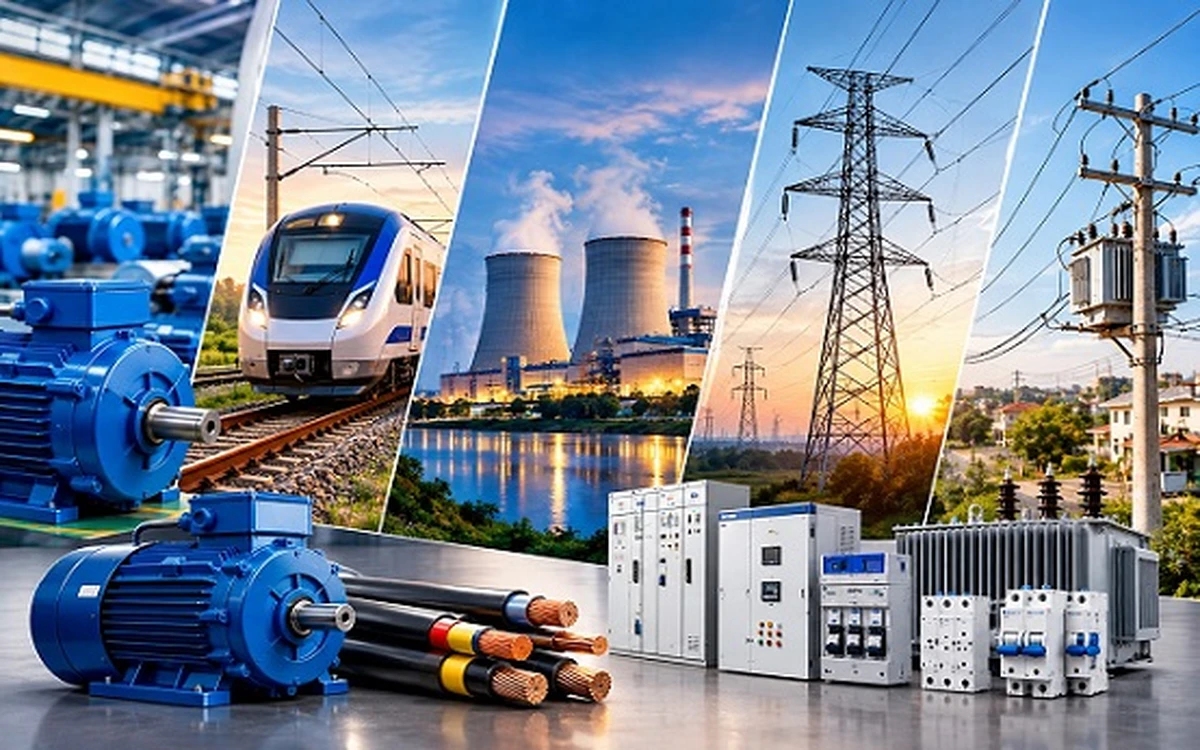
Fuelled by the rapid expansion of diverse industries - including engineering, automotive, chemicals, pharmaceuticals, and consumer durables - India’s manufacturing sector is emerging as a powerful engine of economic growth. Positioned among the fastest-growing sectors, it has the capacity to achieve USD 1 trillion in exports by 2030. This evolution signifies India’s transition from an import-reliant economy to a dominant force in global manufacturing.
With a current contribution of approximately 17% to GDP, India’s manufacturing sector is backed by strong physical and digital infrastructure. Over the next 6-7 years, it is projected to expand further, reaching 21% and solidifying its role as a key driver of economic growth.
Over the past decade, India has placed a strong emphasis on expanding its manufacturing sector through strategic policy measures under the ‘Make in India’ initiative. Simultaneously, global economies are actively seeking alternatives to China for their supply chains, a shift driven by the disruptions caused by the COVID-19 pandemic and concerns over excessive dependence on a single manufacturing hub. This changing global landscape has created fresh opportunities for India to establish itself as a competitive manufacturing powerhouse.
Industrial Production as well as core sector growth is muted in the current year witnessed a growth of around 3.7% on an average basis, the sequential deacceleration is indicative of ongoing weakness on account of the third wave led disruptions and surging commodity prices.
The Cement industry, driven by economic expansion and infrastructure projects, requires a diverse range of motors for efficient production. Similarly, advancements in the Sugar sector and the rising demand for ethanol present new avenues for business expansion. The rapid growth of Data Centres, fuelled by the increasing digitization of the economy, further escalates the need for reliable motor solutions.
In Infrastructure, the National Infrastructure Pipeline (NIP) emphasizes substantial investments in Energy, Roads, Railways, and Urban Development, reinforced by higher allocations in the Interim Union Budget 2024-2025. Meanwhile, the Agriculture sector benefits from government-backed initiatives and infrastructure developments, fostering new growth opportunities. Lastly, the Oil and Gas industry, driven by India’s expanding energy demands, continues to attract significant investments, offering promising prospects for the Company’s Motors business.
MOTORS
Between April – March 2025 FHP, LT and HT motors recorded a quantity growth of 55%, 4.2% and -1% respectively over last financial year, as per the latest IEEMA report issued in March 2025. In our own assessment, spurt in demand in FHP is seen especially in Air Handling Segment which will contribute to growth of the FHP motor segment. However, LT Motors market is on declining trend due to stagnancy in industrial growth and lack of new projects. The growth in the HT motor segment is primarily driven by demand from irrigation and water infrastructure projects, supported by substantial government investments through initiatives like the Jal Jeevan Mission and the National River Linking Project.
RAILWAYS
Indian Railways:
Embracing Technological Transformation Indian Railways is undergoing a significant technological transformation, focusing on automation, digitization, and smart systems to enhance efficiency, safety, and sustainability.
Key Advancements Include:
• KAVACH: An indigenous train protection system designed to improve rail safety.
• AI-driven predictive maintenance: Enhancing operational reliability while minimizing downtime. • Real-time monitoring and 5G connectivity: Optimizing scheduling and improving passenger experience.
• High-speed rail projects: Including the Mumbai-Ahmedabad Bullet Train and Vande Bharat Express, revolutionizing passenger transport.
• Dedicated Freight Corridors (DFCs): Enhancing logistics efficiency and streamlining cargo movement.
• 100% electrification by 2030 & net-zero emissions: Promoting sustainability through renewable energy, hydrogen-powered trains, and battery-operated locomotives.
Government Initiatives Driving Railway Growth
The Indian government has introduced several strategic initiatives to modernize and expand the railway sector:
• Bharatmala & Sagarmala: Strengthening rail connectivity for freight corridors.
• Dedicated Freight Corridors (DFCs): Boosting freight efficiency and easing congestion.
• 100% Electrification by 2030: Reducing carbon emissions and promoting green energy solutions. • Mumbai-Ahmedabad Bullet Train (MAHSR) & Vande Bharat Express:
Advancing high- speed rail development.
• Kavach Train Protection System: Enhancing railway safety standards.
• Public-Private Partnerships (PPP) & 100% FDI: Encouraging private investment to accelerate infrastructure growth.
• These initiatives are positioning Indian Railways as a global leader in modern, sustainable rail transport.
The Indian Railways Budget 2025-2026 has allocated ` 2,65,000 crores towards capital expenditure, emphasizing infrastructure expansion, modernization, and safety enhancements. Key investment areas include: • Rs. 32,235 crores for new railway lines, • Rs.32,000 crores for doubling existing tracks, and
• Rs. 58,895 crores for rolling stock acquisition.
• Additionally, Rs. 8,601 crores is set aside for traffic facilities and yard remodelling
INDUSTRY OVERVIEW - POWER SYSTEMS
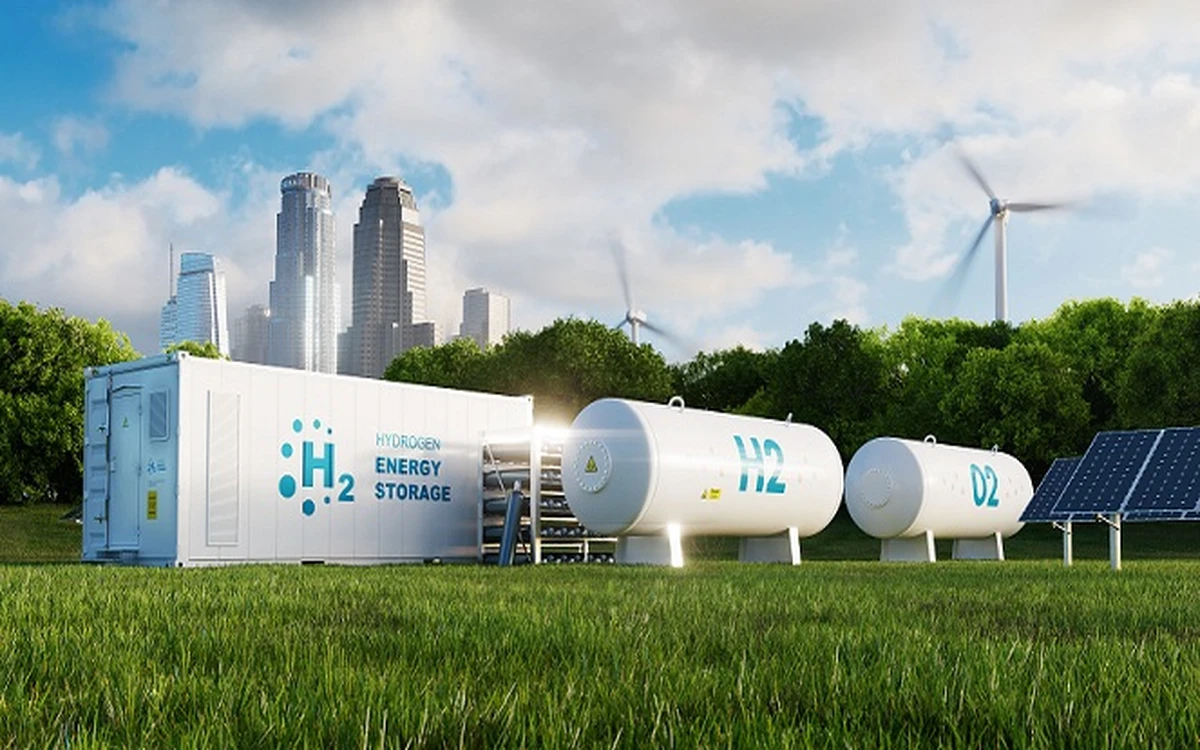
India’s power sector is evolving rapidly through policy reforms, technological advancements, and a strong push for renewable energy. As one of the world’s largest electricity markets, India aims to source 50% of its power from non-fossil fuel sources by 2030, aligning with its 2070 net-zero commitment. The sector has seen significant investments, improved grid infrastructure, and initiatives like the Green Energy Corridor to support renewable integration, alongside targeted incentives for solar, wind, and hydropower. In fact, India successfully met an all-time maximum power demand of 250 GW during FY 2024-25. Besides, India reaffirmed its climate agenda at COP26 in 2021 and through its Long-Term Low Greenhouse Gas Emission Development Strategies (LT-LEDS) submitted to the UNFCCC in 2022. LT-LEDS outlines key transitions, including lowcarbon energy, sustainable transport, industrial decarbonization, and financial frameworks for net-zero. Sustainability efforts focus on forest conservation, compensatory afforestation, and eco-restoration, while climate resilience is integrated into national programs like AMRUT, Smart Cities, and PMAY. The National Clean Air Programme (NCAP) drives air pollution mitigation, and coastal and marine ecosystems are protected through initiatives like MISHTI and Integrated Coastal Zone Management (ICZM), reinforced by regulatory measures such as the CRZ Notification. These initiatives reflect India’s steadfast commitment to sustainability and climate action.
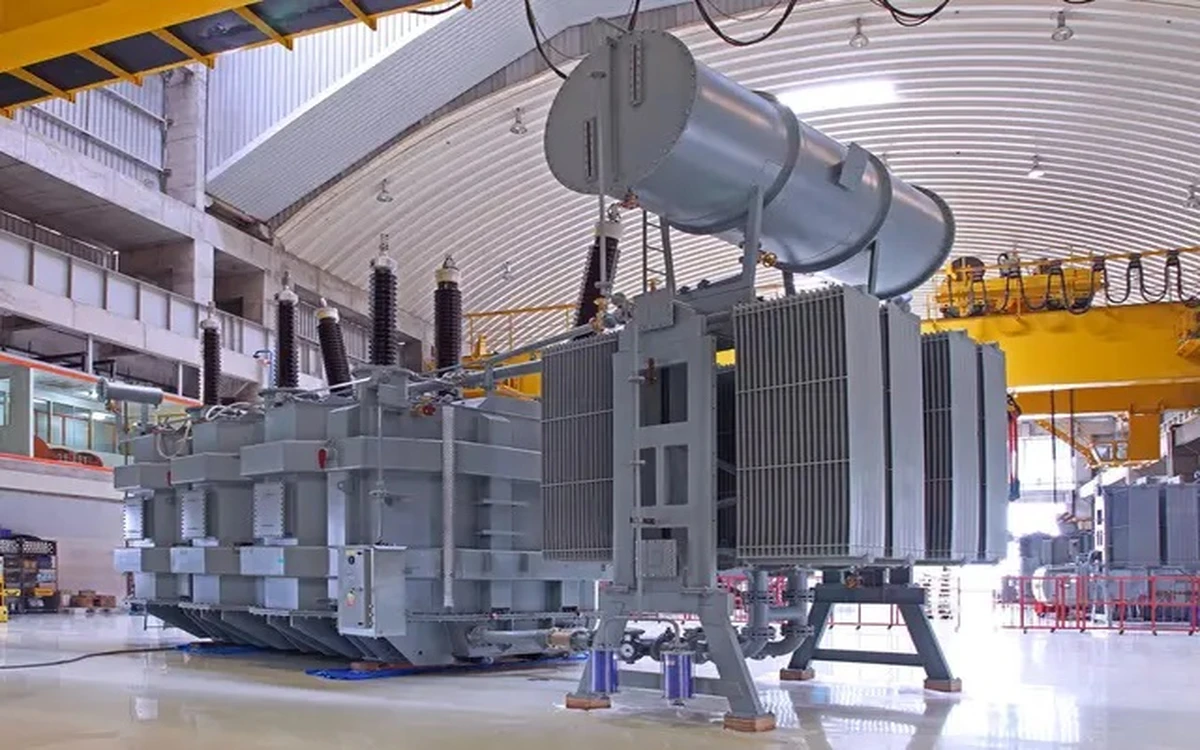
The Central Electricity Authority’s National Electricity Plan (NEP) 2023, which lays out India’s roadmap for a reliable, efficient, and sustainable power ecosystem through 2031-32, has projected a total installed capacity of over 669 GW by 2026-27, with significant additions from renewable energy sources complemented by battery energy storage systems (BESS) and flexible thermal capacity. It underscores the need for high-efficiency, grid-stabilizing generation assets and a robust transmission backbone to support seamless RE integration across regions. This directional shift toward cleaner energy, coupled with investments in advanced transmission infrastructure such as HVDC corridors and smart substations, aligns seamlessly with CG’s product portfolio and strategic focus. With proven capabilities in power transformers, smart switchgears, automation systems, and energyefficient motors, CG is well-positioned as a key enabler of India’s ambitious energy transition journey.
Transmission and Distribution
India’s power sector has undergone significant transformation, with continuous improvements in transmission and distribution ensuring a more stable and efficient electricity supply. As of March 31, 2025, the country’s total installed power capacity stood at 4,75,212 MW, marking a 6.99% growth in generation compared to the previous year. Strengthening the transmission network has been a key focus, with the system now extending over 4,81,326 ckm of transmission lines and a transformation capacity of 12,25,260 MVA as of January 31, 2024. During 2024, 10,273 ckm of transmission lines (of 220 kV & above), 71,197 MVA of transformation capacity (of 220 kV & above) and 2200 MW of Inter-regional Transfer Capacity have been added.
Significant policy reforms have been introduced to modernize and streamline transmission operations. The Electricity (Transmission Planning, Development, and Recovery of ISTS Transmission Charges) Rules, 2021, brought in a more structured framework for planning and cost recovery. A key institutional change was the separation of the Central Transmission Utility (CTU) from POWERGRID, resulting in the formation of Central Transmission Utility of India Ltd., which has been operating independently since April 2022. In addition, the government has encouraged greater private sector participation in transmission projects, fostering increased competition and efficiency in the sector.
This year, under the Revamped Distribution Sector Scheme (RDSS), efforts to improve the operational efficiency and financial sustainability of power distribution companies (DISCOMs) continued to make progress. A total of 19,79,24,902 prepaid smart meters, 52,52,692 distribution transformer (DT) meters, and 2,10,704 feeder meters have been sanctioned at a cost of Rs.1,30,670 crores. Additionally, loss reduction projects worth approximately ` 1,46,000 crores. have been approved, with Rs. 18,379 crores already released for implementation. As a result of these initiatives, AT&C losses have reduced to 15.37%, and the gap between the average cost of supply and revenue (ACSARR) has decreased to Rs. 0.45 per kWh in FY2023—signifying a step forward in building a more efficient and financially sound power distribution system.
Looking ahead, the demand for medium-voltage (MV) switchgear is projected to rise significantly, with estimated procurement worth Rs. 5,500 Crores over the next three years. This includes advancements in Air Insulated Switchgear (AIS), Gas Insulated Switchgear (GIS), and automated systems, supporting the continued modernization of India’s power infrastructure.
1 days ago
Total Views : 26
1 days ago
Total Views : 20
1 days ago
Total Views : 12
1 days ago
Total Views : 89
1 days ago
Total Views : 24
last week
Total Views : 62
last week
Total Views : 16
last week
Total Views : 54
last week
Total Views : 18
.webp)
last week
Total Views : 23