Loading... Today

-- 0

-- 0

Highlight
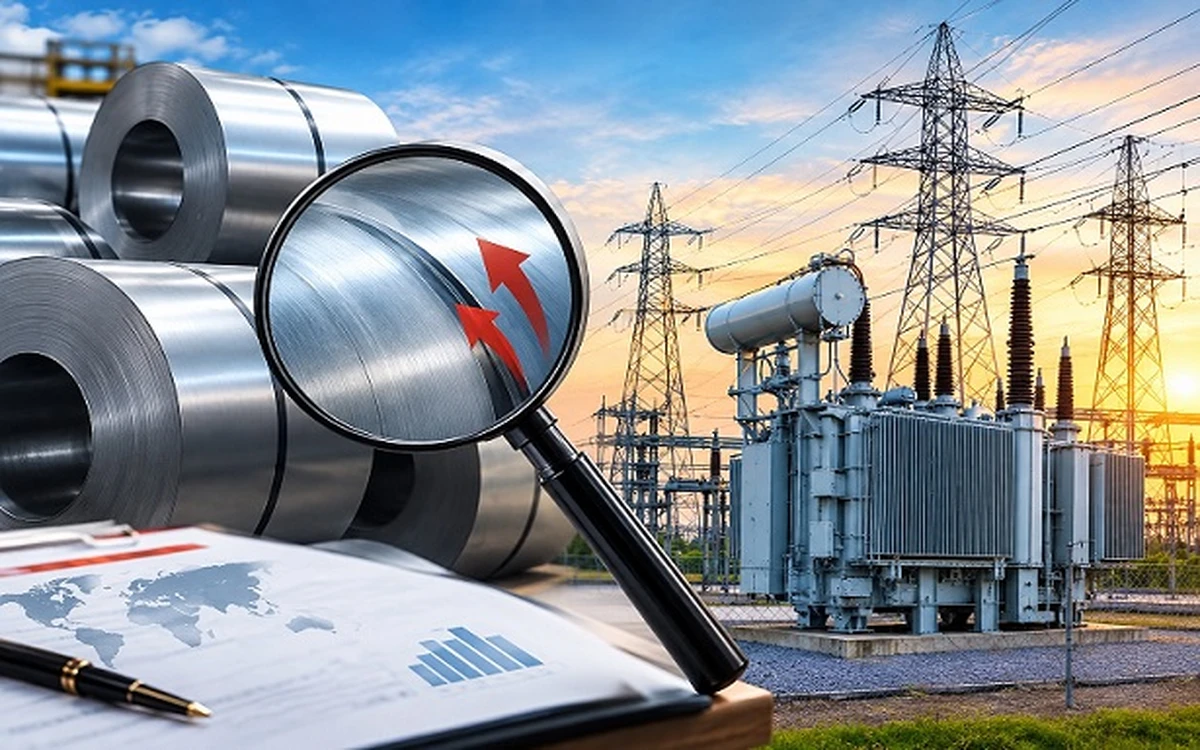
• India has launched an anti-dumping investigation into CRGO steel and Amorphous Metal imports from China, Japan, South Korea and Russia.
• India imports nearly 90% of its annual CRGO requirement of 400,000-450,000 tonnes, while domestic production is only 40,000-50,000 tonnes.
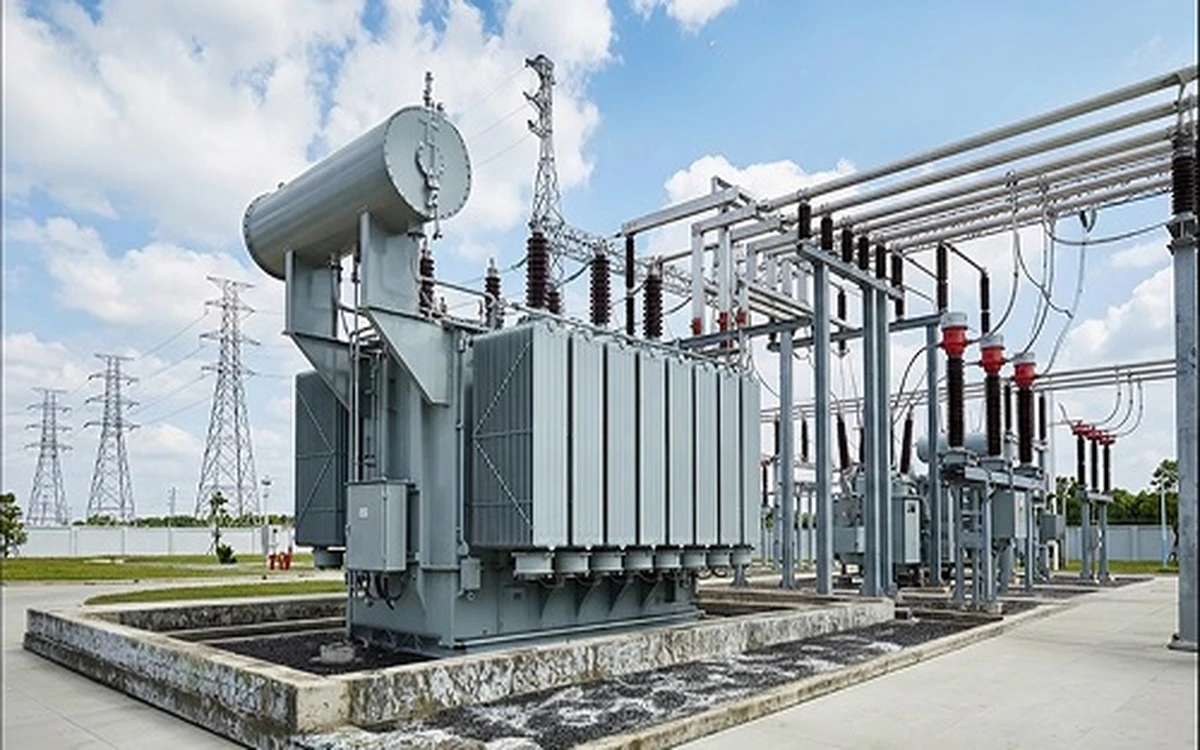
• CRGO steel is the critical magnetic core material used in every power and distribution transformer, making it essential for electricity transmission.
• Higher anti-dumping duties could increase transformer costs without significantly reducing India's dependence on imported CRGO steel.
• CRGO imports already comply with mandatory BIS quality certification, making the investigation a pricing issue rather than a quality issue.
• Using one Indian cost benchmark to assess exporters from four different economies has raised questions about transparency and the anti-dumping methodology.
• The outcome of the investigation could influence not only India's steel industry but also the cost and pace of the country's power infrastructure expansion.
The Electrical Post
Directorate General of Trade Remedies (DGTR) has launched an anti-dumping investigation into imports of Cold Rolled Grain Oriented (CRGO) electrical steel and Amorphous Metal from China, Japan, South Korea and Russia following a complaint by JSW JFE Electrical Steel Nashik Pvt. Ltd., the country's only domestic producer of CRGO steel. The investigation, initiated on June 22, 2026, covers imports during April 1, 2025-March 31, 2026, while the injury analysis covers 2022-23 to 2024-25.
The move has raised concerns that imposing anti-dumping duties on a product for which India imports nearly 90% of its requirements could increase transformer costs and slow the country's ambitious power-grid expansion.
Every power and distribution transformer uses CRGO steel in its magnetic core. The specialized electrical steel minimizes energy losses and is indispensable for efficient electricity transmission and distribution. Demand for CRGO is expected to surge as India invests ₹9.15 lakh crore to expand its power grid by 2032, adding 191,000 circuit kilometers of transmission lines and more than doubling transformer capacity to 2,342 GVA.
Yet India remains overwhelmingly dependent on imports. Annual CRGO consumption is estimated at 400,000-450,000 tonnes, while domestic production is only 40,000-50,000 tonnes. Nearly 90% of India's requirements are imported, mainly from China, Japan, South Korea and Russia. GTRI questions whether anti-dumping duties would primarily protect one domestic producer while increasing costs across the power sector.
With domestic output meeting less than onetenth of national demand, higher duties could raise prices without materially reducing import dependence, potentially slowing investments in transmission infrastructure, renewable-energy integration and electricity distribution. The complaint was filed by JSW JFE Electrical Steel Nashik Pvt. Ltd., which became India's only producer of CRGO steel after acquiring Thyssenkrupp Electrical Steel India's Nashik plant in January 2025.
GTRI notes that CRGO imports are already subject to mandatory BIS quality certification. Every imported coil must meet Indian standards before it can be sold, making the investigation a dispute over pricing rather than product quality. The product was also excluded from safeguard duties because of India's continued dependence on imports.
Questions Over the Investigation Methodology
Anti-dumping duties are intended to offset unfair pricing by foreign exporters. Investigating authorities normally compare a product's normal value—its domestic selling price in the exporting country—with its export price to calculate the dumping margin. For example, if CRGO sells for $100 per kg in Japan but is exported to India at $70 per kg, the dumping margin is 30%. Authorities must also establish that dumped imports caused material injury to the domestic industry and demonstrate a causal link before duties can be imposed.
In this investigation, however, DGTR has largely based its calculations on the Indian producer's own costs rather than actual prices in the exporting countries. China was treated as a nonmarket economy, allowing normal value to be constructed using the applicant's production costs. For Japan, South Korea and Russia, DGTR said domestic price data were unavailable and again used the applicant's production costs instead of prices from comparable third-country markets.
As a result, exporters from four very different countries are effectively being measured against the same Indian cost benchmark. GTRI says this raises questions about whether the investigation adequately reflects market conditions in each country and whether the methodology is sufficiently transparent and objective.
DGTR used India's DG Systems import database to determine export prices and concluded, on a preliminary basis, that dumping margins exceed the legal threshold. It also found sufficient prima facie evidence of injury and a causal link to justify opening the investigation. The outcome could have implications well beyond the steel industry.
With India planning one of the world's largest electricity-grid expansions, ensuring reliable and competitively priced supplies of CRGO steel may prove as important as protecting the country's only domestic producer.

1 days ago
Total Views : 21
1 days ago
Total Views : 24
last week
Total Views : 55
2 weeks ago
Total Views : 65

2 weeks ago
Total Views : 104
2 weeks ago
Total Views : 68
2 weeks ago
Total Views : 104

3 weeks ago
Total Views : 87