Loading... Today

-- 0

-- 0

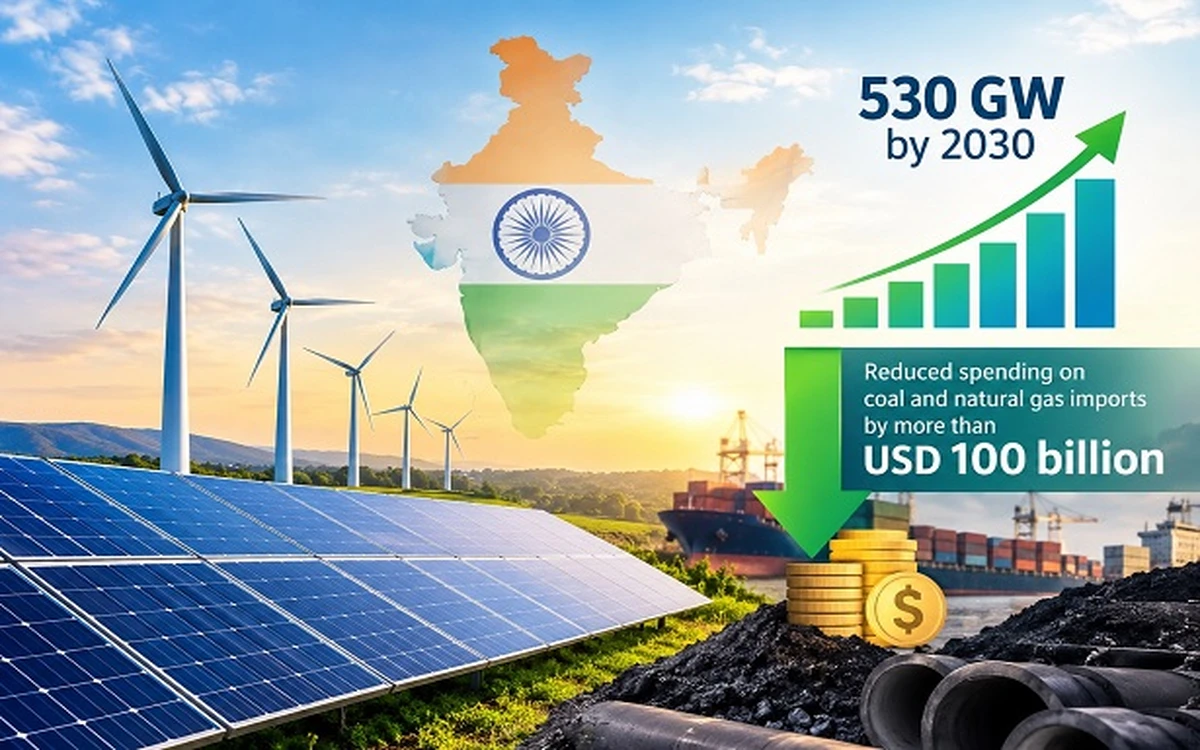
-IEA Projects India's Renewable Energy Capacity to Reach 530 GW by 2030; Solar PV to Drive Over 80% of Expansion
-Renewables Expected to Supply 35% of India's Electricity by 2030; USD 160 Billion Investment Required in Grids and Energy Storage
The Electrical Post
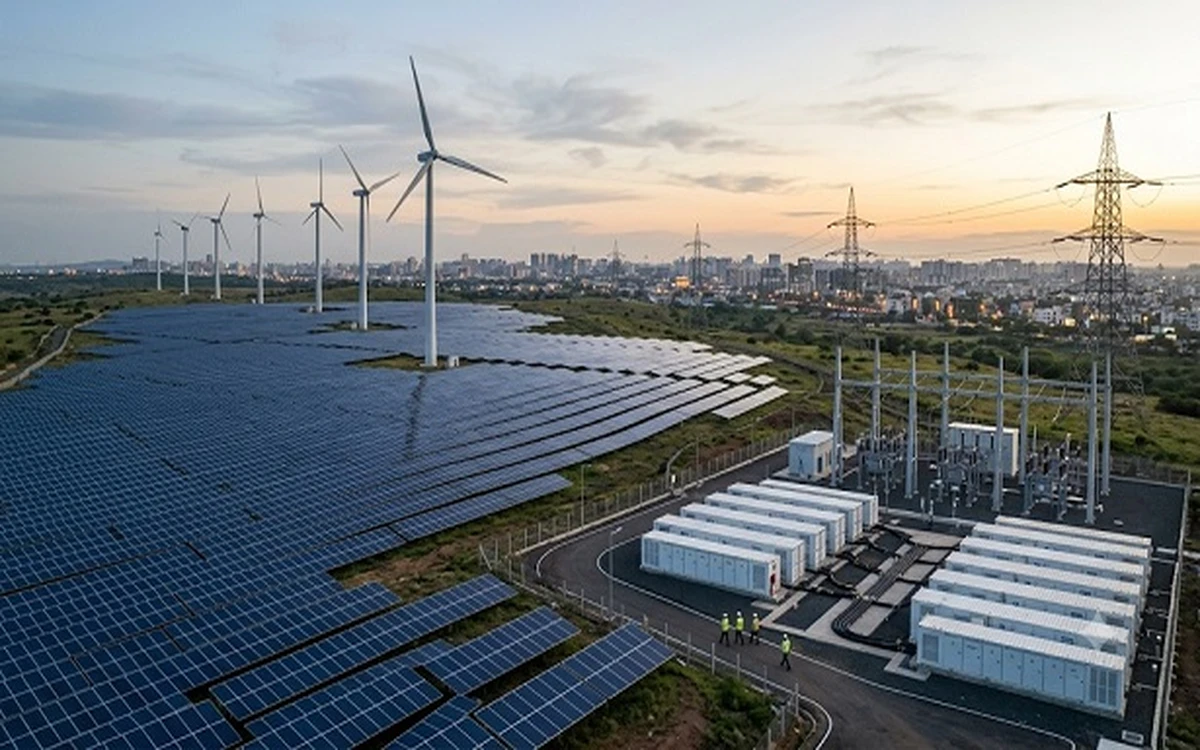
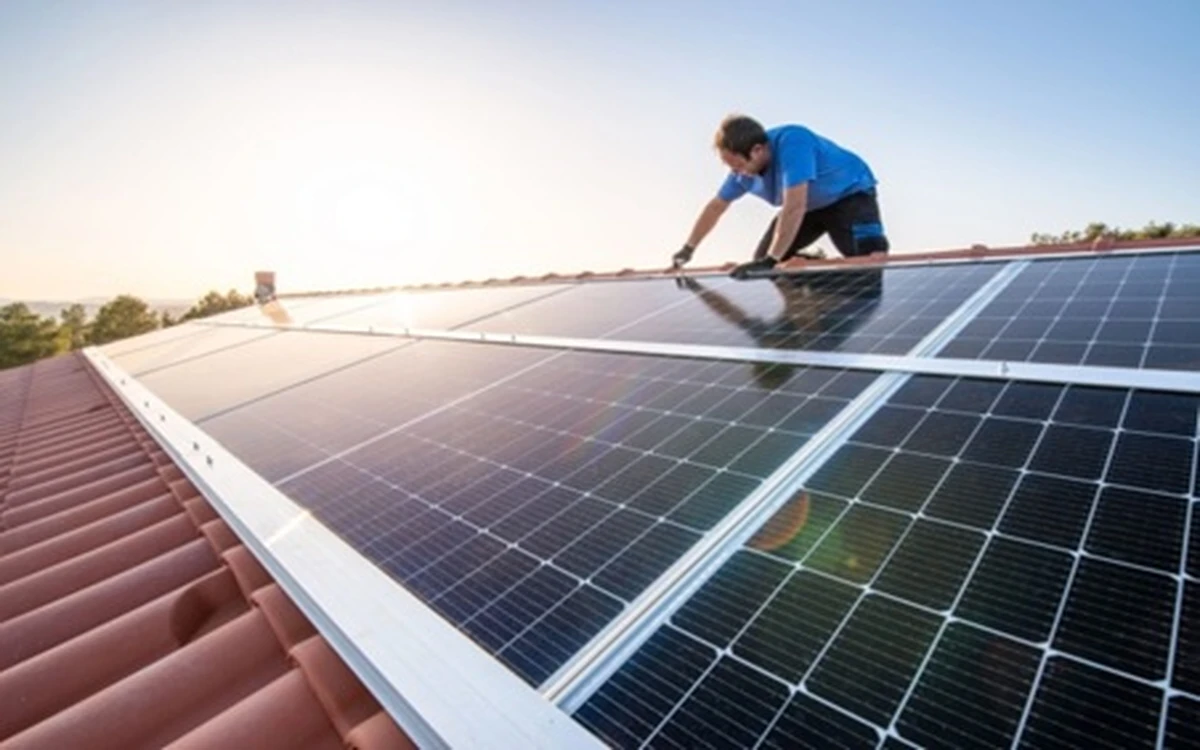
India's renewable energy sector is entering a decisive growth phase, with installed renewable electricity capacity projected to reach approximately 530 GW by 2030, nearly double the level recorded in 2025. According to the International Energy Agency's (IEA) India Renewable Energy Market Report 2026 – Analysis and Forecast to 2030, solar photovoltaic (PV) technology will remain the principal driver, accounting for more than 80% of capacity expansion over the forecast period.
The report identifies India as the world's second-fastest-growing renewable energy market and highlights the country's increasing importance in global clean energy manufacturing, investment and deployment. Renewable power capacity surpassed 300 GW in the fourth quarter of 2026, almost quadrupling over the past decade. India also achieved its target of sourcing 50% of installed electricity capacity from non-fossil fuel technologies in 2025, five years ahead of schedule.
The IEA expects India's renewable electricity generation to increase from more than 500 TWh in 2025 to approximately 950 TWh by 2030, raising its share of total electricity generation from around 25% to 35%. Solar PV generation is projected to triple during this period, accounting for more than half of renewable electricity generation by 2030. Wind generation is expected to increase by approximately 50%, while hydropower and bioenergy generation are forecast to grow by around 20%.
Under the IEA's main forecast, solar PV capacity will exceed 350 GW by 2030, wind capacity will approach 90 GW and hydropower will reach approximately 75 GW. Under an accelerated scenario, assuming stronger policy support and faster resolution of implementation challenges, India's renewable capacity could approach 580 GW by the end of the decade. This growth would support the country's target of achieving 500 GW of non-fossil electricity capacity by 2030 and its longer-term net-zero ambition for 2070.
A significant factor behind India's renewable energy expansion has been the evolution of its policy framework. Competitive auctions, renewable purchase obligations, transmission investments, solar park development and incentives for domestic manufacturing have helped improve project economics and attract investment. Since 2010, India has awarded more than 220 GW of utility-scale renewable capacity through competitive auctions. Utility-scale solar PV generation costs have fallen to approximately USD 30–35/MWh, among the lowest globally. Solar PV projects commissioned in 2025 achieved tariffs around 40% below the average cost of coal-fired electricity.
The next stage of growth, however, will depend increasingly on the ability to integrate renewable generation into the electricity network. As solar and wind capacity expands, the share of variable renewable energy in India's electricity supply is expected to rise from approximately 14% to 26% by 2030. This will increase pressure on transmission networks, storage facilities and conventional power plants to balance variations in generation and demand.
The IEA estimates that capital expenditure associated with solar PV, wind and hydropower capacity additions during 2026–2030 will reach approximately USD 200 billion. In addition, grids and energy storage together are expected to require around USD 160 billion in investment. Transmission and distribution investment is projected to increase by 40% compared with the previous five-year period, while battery storage investment is expected to grow nearly thirtyfold from a low base, reaching a cumulative USD 25 billion during 2026–2030.
Energy storage and hybrid renewable projects are becoming increasingly important to address intermittency. India has emerged as a global leader in hybrid renewable energy procurement, combining solar PV, wind and storage to provide more reliable electricity. In 2025, the country auctioned 15 GW of hybrid projects, taking cumulative auctioned capacity to 64 GW, the highest volumes globally. Average tariffs for hybrid projects awarded between 2023 and 2025 were approximately USD 45/MWh, around 20% below the average cost of coal-fired electricity in 2025.
The report also identifies distributed solar and corporate renewable procurement as important growth drivers. Distributed solar PV capacity for self-consumption is expected to triple to more than 100 GW by 2030. Government initiatives such as PM Surya Ghar Muft Bijli Yojana and PM-KUSUM are supporting residential rooftop installations and agricultural solarisation. Corporate power purchase agreements and open-access procurement are expected to underpin around 20% of utility-scale solar PV and wind capacity additions by 2030.
Domestic manufacturing is another important pillar of India's renewable energy strategy. Annual solar PV module manufacturing capacity reached approximately 225 GW in September 2026, positioning India as the world's second-largest manufacturer. The country is also expected to become the world's second-largest wind equipment manufacturer by 2030. Production-linked incentives, import protection measures and domestic sourcing requirements have supported investment in solar manufacturing. However, strengthening upstream supply chains, improving manufacturing utilisation and remaining competitive in an oversupplied global market will be essential for sustained growth.
Beyond electricity generation, renewable energy opportunities are expanding across transport, heating and fuels. India's liquid biofuel consumption reached approximately 11 billion litres in 2025 and is projected to increase to 16 billion litres by 2030. Sustainable aviation fuel blending targets, beginning at 1% in 2027 and increasing to 5% by 2030, are expected to create another emerging market. Electric vehicles accounted for more than 11% of new vehicle sales in 2026, while India has become a leading market for electric three-wheelers.
Compressed biogas is also gaining importance as a domestic alternative to imported natural gas. The IEA estimates that India's sustainable feedstock potential could support up to 75 billion cubic metres equivalent of biogas annually. With natural gas import dependence projected to increase from 52% in 2024 to approximately 71% by 2030, developing domestic biogas production could strengthen energy security. The National Green Hydrogen Mission offers an additional pathway to reduce fossil fuel consumption in industry.
Despite the positive outlook, the report identifies several structural challenges that could affect the pace of expansion. Transmission congestion, land acquisition, permitting delays, project execution risks and the financial health of distribution companies (DISCOMs) remain important concerns. Delayed payments from DISCOMs, regulatory uncertainty and the bankability of power purchase agreements can increase financing costs and discourage investment. The report also warns that the growing concentration of solar capacity in resource-rich states such as Rajasthan and Gujarat could increase renewable energy curtailment unless transmission and storage infrastructure develops in parallel.
The IEA concludes that India's renewable energy deployment could accelerate by more than 20% during 2026–2030 if infrastructure and market challenges are addressed effectively. Faster transmission development, improved forecasting and dispatch, battery and pumped-storage hydropower investment, stronger demand-side flexibility and streamlined project approvals will be critical.
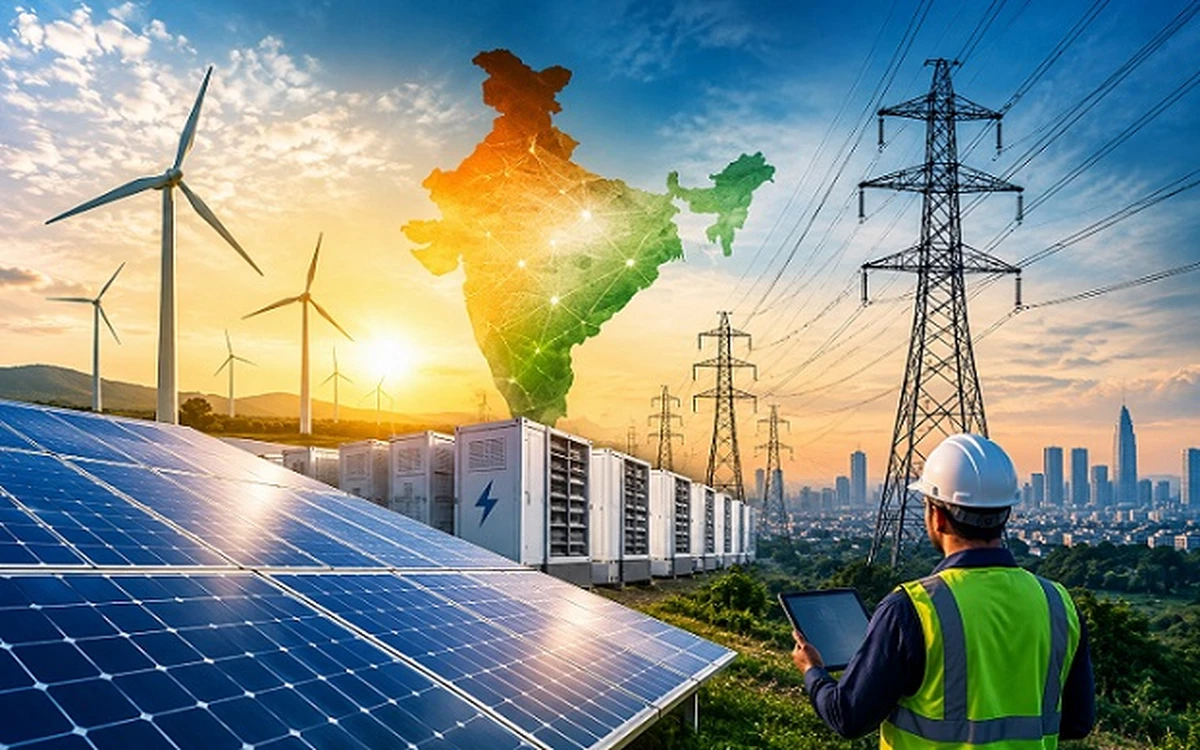
Overall, India's renewable energy opportunity is no longer limited to installing additional generation capacity. The next phase will depend on building an integrated ecosystem encompassing power generation, transmission, storage, domestic manufacturing and renewable fuels. The country's ability to align these investments with rising electricity demand will determine whether it can achieve its 2030 targets while maintaining energy affordability, reliability and security.
2 days ago
Total Views : 63
last week
Total Views : 36
last week
Total Views : 167
3 weeks ago
Total Views : 267
3 weeks ago
Total Views : 128

3 weeks ago
Total Views : 102
last month
Total Views : 209
last month
Total Views : 238
last month
Total Views : 158
last month
Total Views : 122