Loading... Today

-- 0

-- 0

INDIAN SOLAR ROOFTOP SYSTEM MARKET
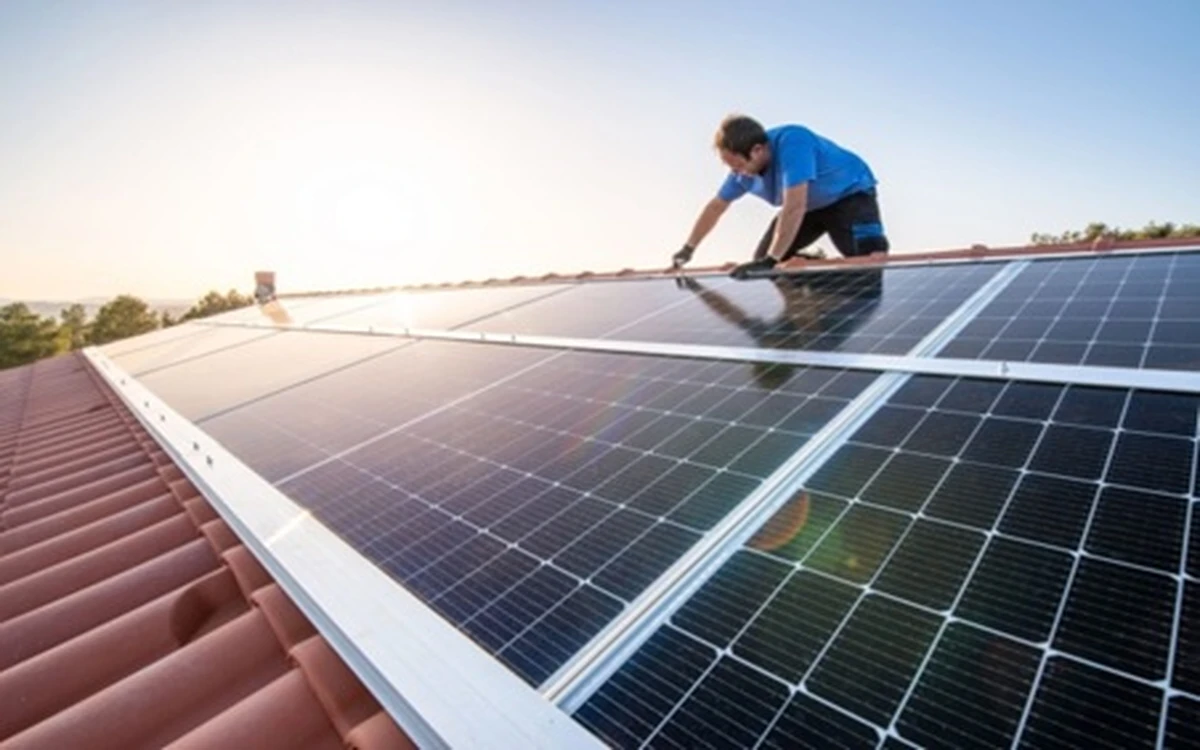
India’s cumulative rooftop capacity reached 25.7 gigawatt (GW) by March 2026, and installers added 2.7 GW in the first quarter of 2026 alone, a 125 per cent jump over the same quarter a year earlier. Residential systems accounted for 82 per cent of that growth, most of it under the PM Surya Ghar Muft Bijli Yojana, the central subsidy scheme launched in February 2024 that pays households up to Rs. 78,000 and targets 1 crore (10 million) homes.
SEGMENTATION
The rooftop segment is categorised by consumer type into three broad groups: residential (average plant size of 1-10 kW, driven by consumer awareness and affordability), commercial and industrial (C&I) (average size 30-1,000 kW, driven by rising electricity costs and the need for energy independence), and government and social institutions (average size 10 kW to over 1,000 kW, driven by cost savings alongside environmental awareness).
BUSINESS MODELS
Two models dominate deployment: the capex model, where the consumer owns the system and bears all upfront costs, and the RESCO (opex) model, where a developer owns the installation and sells power to the consumer at a rate below grid tariff, recovering costs through a long-term power purchase agreement (up to 25 years). Net metering, under which surplus power can be sold to the grid, remains more prevalent than gross metering owing to state-level policies.
STATE CONCENTRATION
Growth has been geographically concentrated. Gujarat, Maharashtra, and Rajasthan together accounted for 56% of the total installed rooftop base as of Q1 Fiscal 2026, up from 37% in Fiscal 2019. Gujarat has led due to high solar irradiance and schemes like the Surya Urja Rooftop Yojana, while Maharashtra benefited from policy clarity, including net metering for all consumers. Kerala has also emerged as a notable performer, tripling its share from 2% in Fiscal 2019 to 7.2% by Q1 Fiscal 2026, aided by its Soura Programme under which the discom acted as a demand aggregator.
KEY GROWTH DRIVERS Growth of Domestic Solar Manufacturing Expansion of domestic manufacturing for solar modules, inverters and related components is strengthening supply chains, improving equipment availability and supporting the rapid deployment of rooftop solar systems.
Rising Electricity Demand Increasing urbanisation and electricity consumption across residential and commercial sectors are driving demand for rooftop solar as a reliable, decentralised energy solution that reduces pressure on the power grid.
OUTLOOK (FISCAL 2026-2029)
Crisil Intelligence expects 23-28 GW of rooftop capacity additions over this period, about 1.6 times the additions seen in Fiscal 2020-2025. This is split roughly evenly between the residential segment (12-13 GW, driven by PM Surya Ghar Yojna) and the C&I segment (12-13 GW, driven by net/gross metering economics). This is expected to translate into an investment of ₹0.85-0.95 trillion over Fiscals 2026- 2029.
CHALLENGES
Despite this momentum, the sector faces structural hurdles: higher per-MW costs than utility-scale projects (rooftop projects are typically 1.1-1.2 times more expensive), weak DISCOM incentives to promote rooftop connections given their revenue dependence on industrial consumers, inconsistent net metering enforcement in some states, weak consumer creditworthiness, and enforcement gaps around longterm PPAs and lease agreements, particularly under the RESCO model, where the absence of long-term rooftop agreements can deter developer participation.
POLICY INITIATIVES DRIVING THE SOLAR ROOFTOP SYSTEMS MARKET
PM SURYA GHAR: MUFT BIJLI YOJANA Launched in February 2024, the PM Surya Ghar: Muft Bijli Yojana is the world’s largest residential rooftop solar programme, aimed at accelerating rooftop solar adoption across Indian households. The scheme provides subsidies for solar rooftop systems, based on household electricity consumption. The scheme also offers collateral-free loans of up to ₹2 lakh at a subsidised interest rate of 6.75% through 12 Public Sector Banks, reducing the upfront cost of installation.
As of 24 July 2026, the programme had achieved over 40.07 lakh rooftop solar installations, benefiting approximately 48.22 lakh households, against 76.47 lakh applications received, with a cumulative installed capacity of approximately 14.07 GW and ₹27,323.55 crore in Central Financial Assistance disbursed (Source: Lok Sabha/Rajya Sabha replies, Ministry of New and Renewable Energy, July 2026). The Government has set a target of 1 crore solar-powered households by 2026–27, with the scheme expected to add 30 GW of residential rooftop solar capacity, generate 1,000 billion units of electricity, reduce 720 million tonnes of CO₂ emissions over the systems’ lifetime, and create approximately 17 lakh direct jobs across manufacturing, installation and allied services. Several states have complemented the initiative through ambitious deployment targets. Maharashtra, one of the scheme’s leading performers, has approved the installation of 20 lakh rooftop solar systems under the PM Surya Ghar Yojana, further strengthening residential rooftop solar adoption in the state.
Solar rooftop systems offer significant benefits to both consumers and the power distribution ecosystem. For consumers, they reduce upfront ownership costs through government subsidies, lower electricity bills, provide long-term savings and greater energy independence by ensuring reliable daytime power. At the same time, widespread rooftop solar adoption supports environmental sustainability by reducing carbon emissions, lowers the need for grid expansion and transmission infrastructure, and helps DISCOMs reduce subsidy outflows and improve operational efficiency, contributing to a more resilient and sustainable energy ecosystem.
The Above report has been extract from the annaul report of GK Energy for FY 25-26
2 days ago
Total Views : 63

last week
Total Views : 36

last week
Total Views : 167

3 weeks ago
Total Views : 267

3 weeks ago
Total Views : 128

3 weeks ago
Total Views : 102
last month
Total Views : 209

last month
Total Views : 238

last month
Total Views : 158
last month
Total Views : 122