Loading... Today

-- 0

-- 0

The Electrical Post
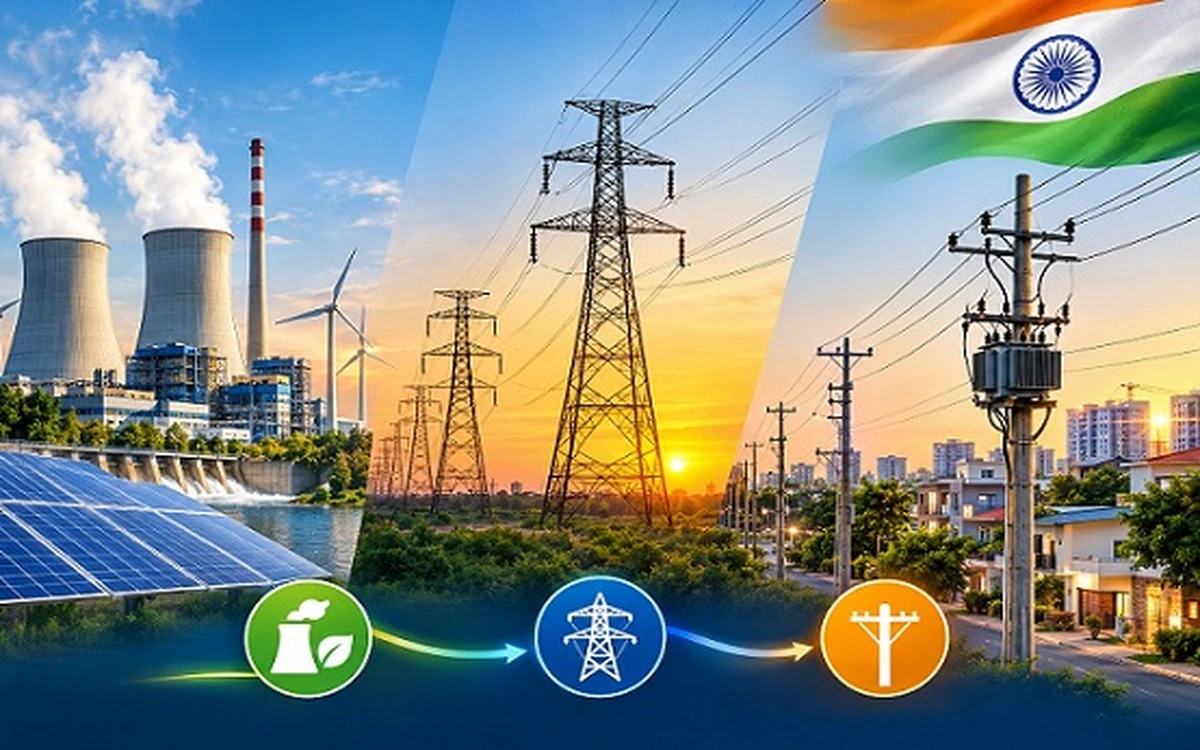
The Indian economy sustained its momentum with a projected growth rate of 7.6% (Source: Ministry of Statistics and Programme Implementation (MoSPI)) in FY 2025-26, surpassing the previous year’s (FY 2024-25) growth rate of 7.1%. This growth was primarily driven by private consumption and investment (fixed capital asset formation), spurred by government policies to improve infrastructure, logistics, and the overall business ecosystem. The year-end review of the Ministry of Power, published in Jan 2026, highlights that per capita electricity consumption in India has surged to 1,460 kWh, marking a 52.6% increase (503 kWh) from 957 kWh in FY 2013-14. Driven by the impact of early onset and extension of the monsoon and lower than average temperatures, the energy demand grew only by 1% in FY 2025-26 over FY 2024- 25. The sector was able to meet peak demand of 245 GW, while monthly energy shortages also declined to 0.03% in FY 2025-26.
India's installed generation capacity stood at 533 GW as of March 31, 2026, with 56 GW of capacity added during FY 2025-26. The share of thermal capacity in the total installed generation mix declined from 61% in FY 2020-21 to 47% in FY 2025-26, while the share of renewable capacity surged from 25% to 42%. Approximately 88% of the total 56 GW capacity added during FY 2025-26 came from renewable sources (excluding large hydro), comprising ~45 GW of solar and ~6 GW of wind capacity. This growth enabled India to attain the third position globally in renewable energy installed capacity, according to IRENA RE Statistics 2026.
Generation
Thermal generation
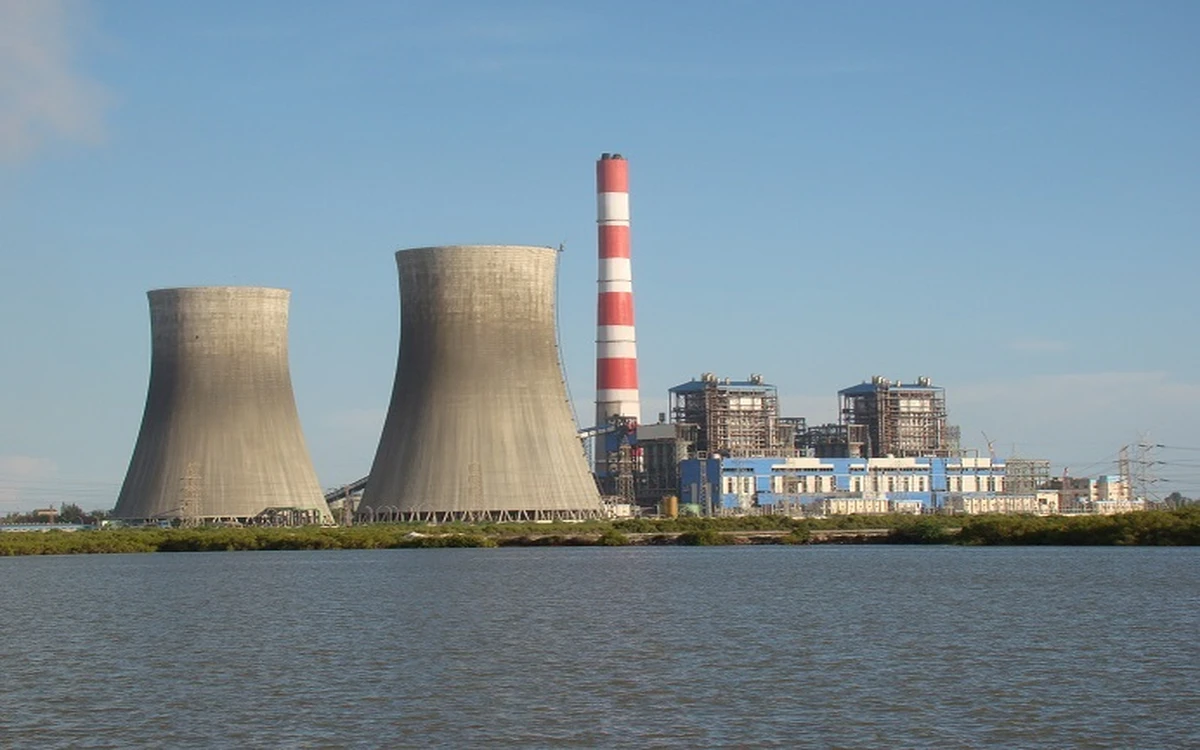
To meet India’s growing electricity demand and base load power requirement, the Government awarded 13.3 GW of new coal-based thermal capacity in FY 2025-26 (as of November 30, 2025). As of March 31, 2026, the total installed capacity of thermal power plants stood at 249 GW, with 2 GW of net additions in FY 2025-26. In addition, 38.7 GW of thermal capacity, including 4.8 GW of stressed projects, was under construction, with contracts of ~23 GW awarded. Further, ~24 GW of capacity was under various stages of planning, clearances, and bidding, reflecting a strong and visible capacity addition pipeline.
FY 2025-26 witnessed a revival in long-term thermal Power Purchase Agreements (PPAs), reflecting the growing intent of distribution utilities to secure thermal power on a long-term basis, with utilities across several states rolling out long-term PPAs. The year also witnessed a few acquisitions of stressed thermal assets by key industry players for capacity expansion.
Hydro generation
The recently released Draft National Electricity Policy (NEP) 2026 repositioned hydropower as a strategic asset for climate resilience, water security and the energy transition. To accelerate growth in the sector, it proposed faster clearances, advanced site assessments, and improved financing and tariff mechanisms to strengthen project viability and creditworthiness. The Policy also emphasised storage based hydro projects to enhance grid stability and support rising renewable penetration. At the end of the fiscal year, with the addition of 3.5 GW of capacity, the operational hydropower capacity stood at 51.4 GW. A further 13 GW was under construction, with an additional 4.3 GW targeted for commissioning by FY 2031-32.
Nuclear generation
The nuclear capacity in the country stood at 8.78 GW, with a capacity addition of 0.6 GW in FY 2025-26. The Nuclear Energy Mission for Viksit Bharat was introduced last year with an aim to triple the present installed capacity of 8.8 GW to 100 GW by 2047. To support this roadmap, 18 nuclear power reactors with an aggregate capacity of 13.6 GW are under implementation, including 10 reactors in the underconstruction stage and eight reactors in pre-project stages, all of which were expected to be completed by FY 2031- 32. This momentum was reinforced through legal reform in the form of the SHANTI Bill (Sustainable Harnessing and Advancement of Nuclear Energy for Transforming India Bill) to enable private participation in the industry. Further, in Budget 2026-27, the Government proposed extending the exemption on basic customs duty for imports required for nuclear power projects until 2035, irrespective of plant capacity, and allocated I 24,123 crore to the Department of Atomic Energy, underscoring sustained financial commitment to the sector.
Renewable generation
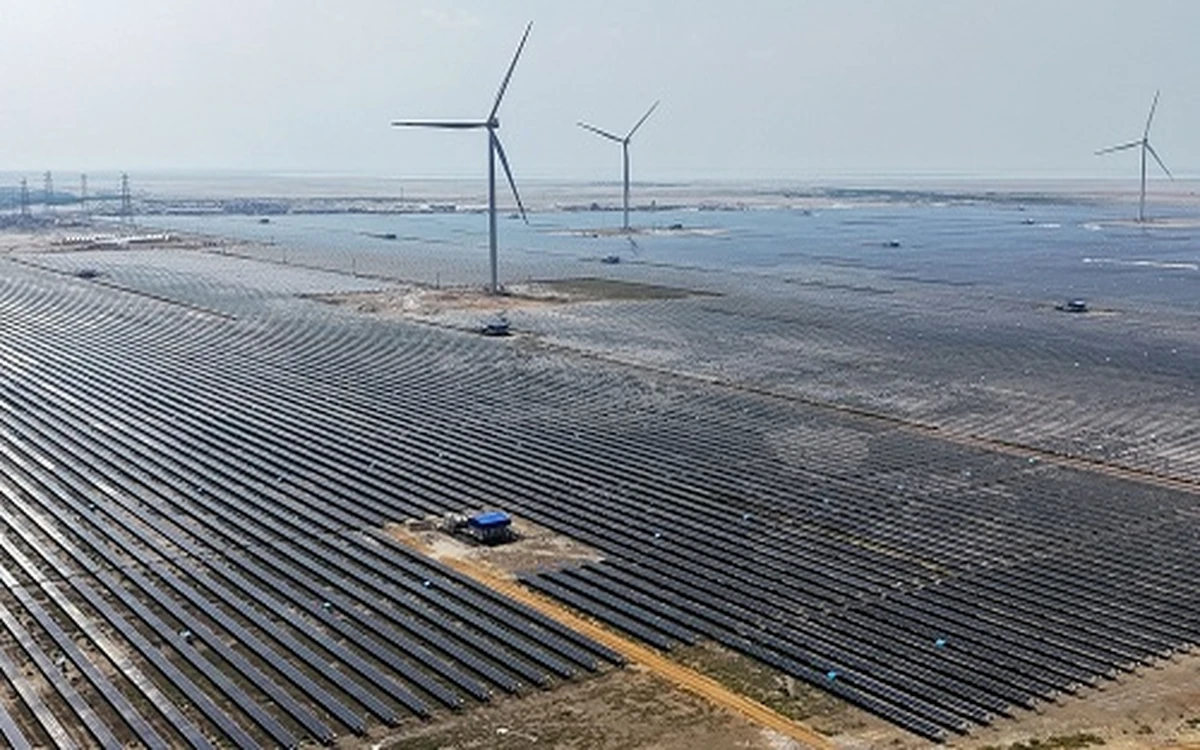
As of FY 2025-26, India’s total installed renewable energy capacity reached 223 GW, marking a 30% increase y-o-y. Solar capacities continued to anchor the energy transition, accounting for 77% of the total renewable capacity additions, and wind accounted for 11%. The share of renewable energy in total electricity generation, too, increased to approximately 17% in FY 2025-26, compared to 14% in FY 2024-25 (Source: Central Electricity Authority (CEA)).
India crossed the 150 GW milestone with a cumulative installed solar capacity of 150.26 GW in FY 2025-26, with a capacity addition of 45 GW in the year, nearly double the installed capacity in the previous year.
The installed capacity addition was accompanied by commensurate manufacturing deployment, with PV module manufacturing capacity reaching 172 GW (98 GW added in FY 2025-26), up from 72 GW in the previous year. Wind turbine (Nacelle and Hub) manufacturing capacity also increased to 24 GW from 18 GW in the previous year.
India’s renewable energy utility auction market saw a sharp correction in FY 2025-26 following the record-breaking volumes of FY 2024-25. Total renewable energy auction awards declined to 19.4 GW in 2025 from 59.7 GW in 2024, a drop of 67% y-o-y. The contraction was broad-based across technologies; standalone solar awards declined by 77%, wind by 37%, and complex auctions (hybrids, storage-linked, peak power and RTC) by 64%.
Tariff trends diverged across technologies. Solar tariffs declined by ~3% to an average of Rs. 2.5/kWh, while wind tariffs continued to rise for the fourth consecutive year, reaching ~Rs. 3.7/kWh, marking a 2% increase y-o-y. Meanwhile, complex auctions continued to be in the same range as the previous year, averaging Rs. 3.4/kWh in 2025.
As renewable capacity grew, the storage space also witnessed parallel progress. As of FY 2025-26, 7.4 GW of PSP was operational in the country, with around 16 GW capacity under construction. A further 6.6 GW was concurred to by the CEA and was yet to be taken for construction. A total of 15 Battery Energy Storage System (BESS) projects are currently operational with a total installed capacity of 1.8 GWh. Solar with BESS and standalone BESS continued to gain traction, and an estimated 54 GWh of BESS capacity was at different stages of execution as on March 2026. Weighted average tariffs for two-hour standalone BESS dropped from ~Rs. 2.9 lakh/MW/month to ~Rs. 1.9 lakh/MW/month in FY 2025-26.
Despite strong progress, the sector faced major challenges. The biggest concern was the backlog of unsigned PPAs, with much of the auctioned capacity lacking off-take and creating execution uncertainty. Connectivity granted by authorities often went unused because PPAs were not signed, while developers with higher project readiness struggled to secure it. As of November 2025, around 45 GW of projects had connectivity awarded but had no signed PPAs (CERC). Furthermore, India curtailed 2.3 TWh of solar generation during April to December 2025 to maintain grid stability, as non-solar generation could not be sufficiently backed down during the lower-than-anticipated demand period. This incident underscored the importance of measures like increased generation flexibility, deployment of storage solutions and implementation of load shift programmes for enhanced RE integration and maintaining grid security.
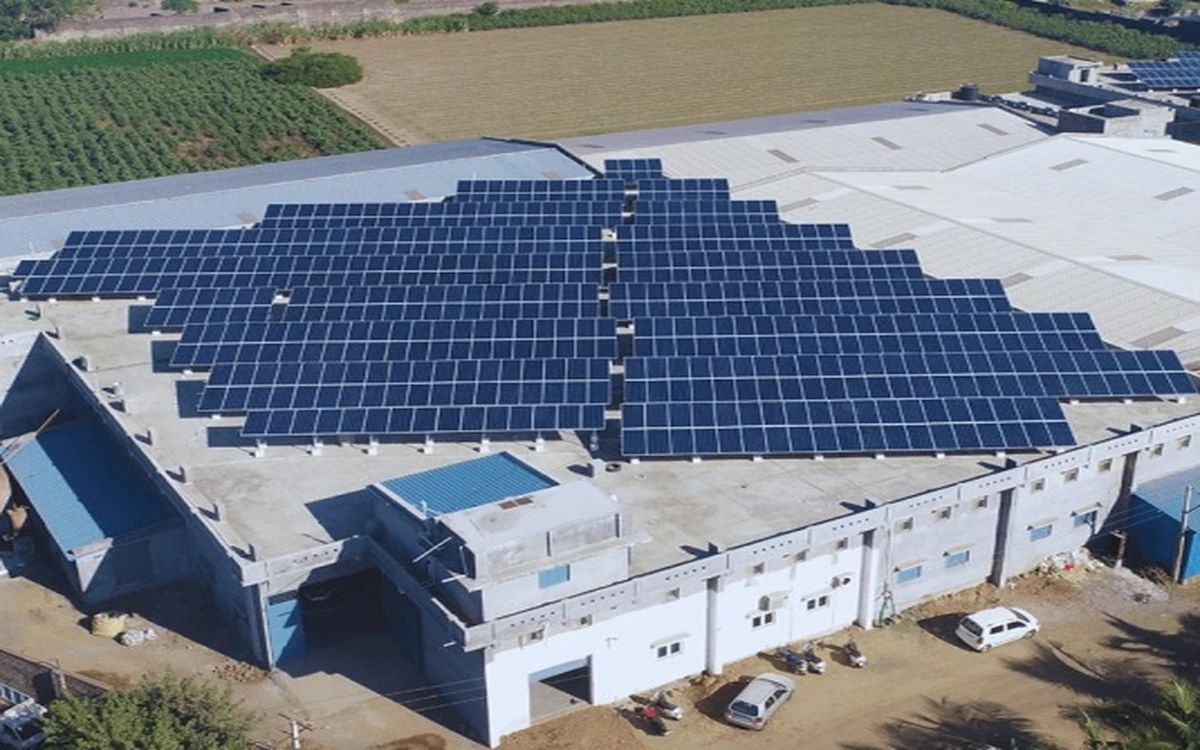
On the brighter side, owing to the PM Surya Ghar Muft Bijli Yojana, rooftop solar installations saw a sharp rise, with total installations crossing the 30-lakh milestone in this fiscal year. As of December 2025, Rs. 14,771 crore (~20%) out of the Rs. 75,021 crore outlay for this scheme was released. The country added 8.7 GW of rooftop solar capacity in FY 2025-26, taking the cumulative installed capacity from 17 GW in FY 2024-25 to 25.7 GW by the end of FY 2025-26.
Distribution
According to the 14th Annual Integrated Rating & Ranking Report the distribution sector witnessed progress across the key operational and financial parameters. AT&C losses improved to 15.04% in FY 2024-25 from 15.97% in FY 2023- 24. Billing efficiency and collection efficiency also improved to 87.59% and 97% in FY 2024-25 from 86.99% and 96.60% in FY 2023-24, respectively. For the first time at the all-India level, PAT was positive on an accrual basis - PAT of Rs. 2,701 crore was achieved in FY 2024-25, combined for all rated power distribution utilities, as compared to losses of Rs. 27,022 crore in FY 2023-24. ACS-ARR Gap on Tariff Subsidy Received basis (excluding regulatory income and revenue grants under UDAY for loan takeover) too, reduced to Rs. 0.06/kWh in FY 2024-25 as compared to Rs. 0.20/kWh in FY 2023-24. Days Payable to GENCOs and TRANSCOs improved to 113 days in FY 2024-25 from 132 days in FY 2023-24.
As of November 2023, Detailed Project Reports (DPRs) for projects totalling Rs. 2.5 lakh crore (Source: Press Information Bureau) and impacting 30 states/union territories were approved under the RDSS. Two years hence, that is, by November 2025, the total central grant released was around Rs. 37,000 crore.
In an effort to combat commercial losses, the Government also targeted the installation of 222 million smart meters. By December 2025, out of the sanctioned 222 million smart meters under the National Smart Grid Mission (NSGM), 3.90 crore meters were installed.
Transmission
India added about 12,000 ckm of transmission lines and approximately 1,13,000 MVA of substation capacity between March 2025 and March 2026, but progress fell short of the CEA’s targets, with 80% of transmission lines and 90% of transformation capacity achieved in FY 2025- 26. One of the primary challenges has been Right of Way (RoW) issues, which have delayed transmission projects. As a mitigation measure, the Ministry of Power revised the RoW guidelines, linking compensation to the market value of land. Additionally, compensation was increased for the tower base and RoW corridor. Furthermore, the Ministry of Power issued Supplementary Guidelines, which provided for the assessment of the market rate of land to be determined by a Market Rate Committee (MRC) based on the valuation by independent land valuers for the payment of RoW compensation.
Meanwhile, CEA has recommended measures for the indigenous production of transmission and distribution (T&D) equipment to reduce India’s dependence on imports, strengthen supply chain resilience, and promote self-reliance in the power sector. In this context, the CEA identified 76 critical items widely used in the T&D segment, of which 16 have been prioritised for immediate localisation due to their high import reliance and strategic importance. These include components such as HVDC valve assemblies, subsea cables, voltage transformers, polymer insulators, high-conductivity copper rods, and so on.
In FY 2025-26, transmission auctions worth Rs. 55,000 crore were concluded through tariff-based competitive bidding. The auctions saw participation by new players and many firsttime winners. It was also the year when a record number of ISTS projects (17 Nos.) were commissioned. For the first time, a state government-owned entity, MSETCL of Maharashtra, secured an intra-state TBCB project. Looking ahead, a significant pipeline of intra-state schemes is expected in Rajasthan, Maharashtra, UP, MP, and Bihar for FY 2026-27, with more states expected to join with the release of their transmission adequacy plans extending till FY 2034-35.
The Above report has been extracted from Tata Power’s annual report for FY 25-26
1 days ago
Total Views : 6
last week
Total Views : 28

last week
Total Views : 25
last week
Total Views : 47
2 weeks ago
Total Views : 32
2 weeks ago
Total Views : 157
2 weeks ago
Total Views : 101
3 weeks ago
Total Views : 171
3 weeks ago
Total Views : 164
3 weeks ago
Total Views : 109