Loading... Today

-- 0

-- 0

Tata Power Expects Peak Demand to Cross 270 GW; Reports Record FY26 Profit Above ₹5,000 Crore
The Electrical Post | Mumbai :
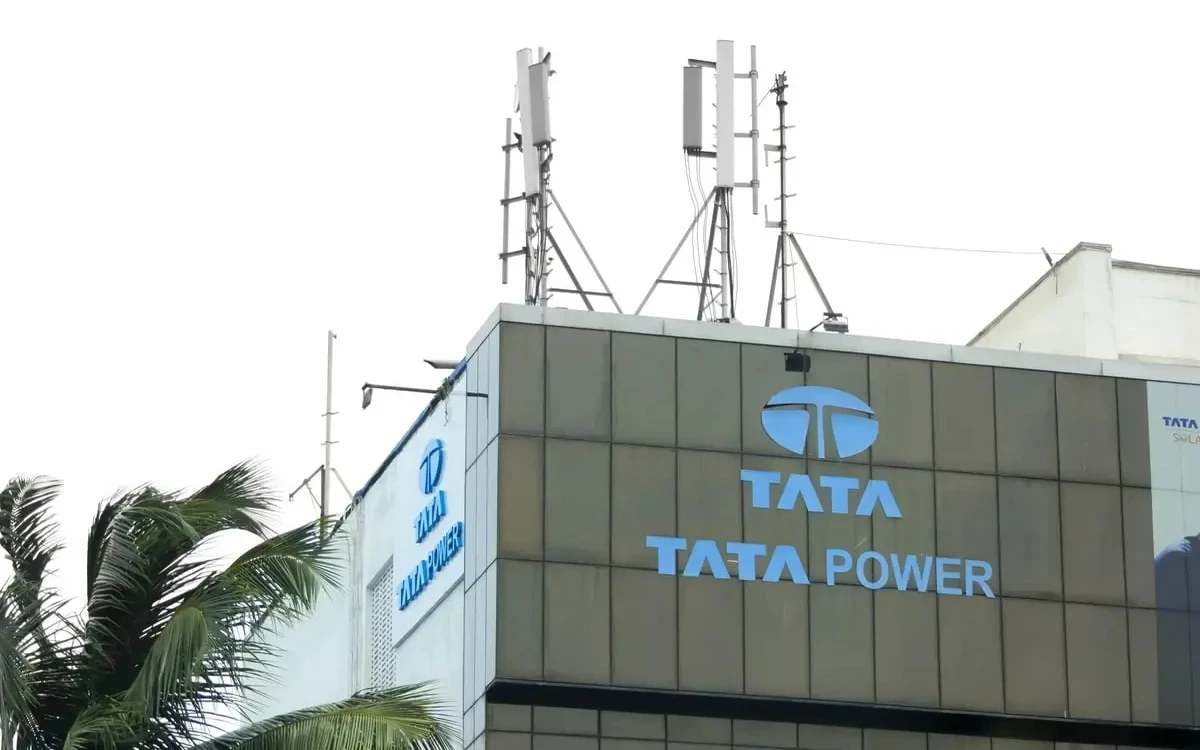
Tata Power has reported a strong financial and operational performance for FY26 despite challenges arising from the non-operation of its Mundra plant for nine months. Speaking during the company's Q4 FY26 investor meeting, Dr. Praveer Sinha, CEO & Managing Director of The Tata Power Company Limited, shared his outlook on the power sector, demand trends, and the company's growth plans.
Tata Power is India's largest vertically integrated electric utility and power generation company, headquartered in Mumbai and part of the Tata Group
According to Dr. Sinha, power demand growth during the last quarter remained modest at around 2%. However, demand has increased significantly since April, registering growth of 5–6%. Peak power demand has already touched 256 GW, and Tata Power expects it to exceed 270 GW within the next one to two months, driven by heatwave conditions across the country and forecasts of a severe impact from El Niño.
He noted that electricity demand is rising across major cities, with Mumbai crossing 4,600 MW and Delhi exceeding 6,500 MW. Despite the increasing demand, India's power system remains stable. The additional demand is being met through coal-based generation, hydropower, and renewable energy sources, including solar and wind power. Dr. Sinha also stated that imported coal-based plants are operating without any major supply concerns, although coal and shipping costs have witnessed marginal increases over the past two months.
Record Financial Performance in FY26
Tata Power reported its highest-ever annual profitability, with full-year Profit After Tax (PAT) exceeding ₹5,000 crore for the first time. The company's EBITDA increased by nearly 11% to ₹16,090 crore, supported by strong performance across generation, transmission, distribution, and renewable energy businesses.
For the fourth quarter, EBITDA rose nearly 10% to ₹4,216 crore, compared to ₹3,829 crore in the corresponding quarter last year. Quarterly PAT increased 8% to ₹1,416 crore, up from ₹1,306 crore in Q4 FY25.
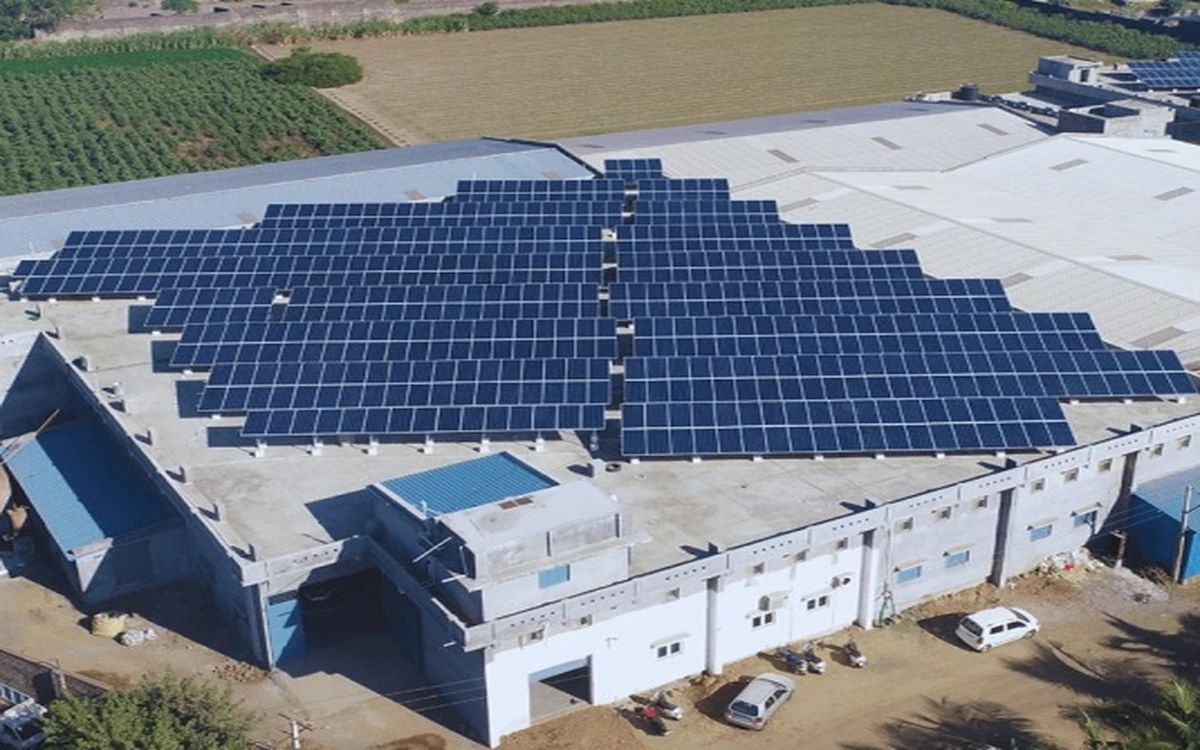
Dr. Sinha highlighted the strong contribution from Tata Power's solar cell and module manufacturing facility. The plant has achieved stable operations and strong yields, delivering a PAT of ₹857 crore during FY26, more than double the previous year's performance. The company's rooftop solar business also performed exceptionally well, with installations doubling during the year.
5 GW Renewable Pipeline Under Execution
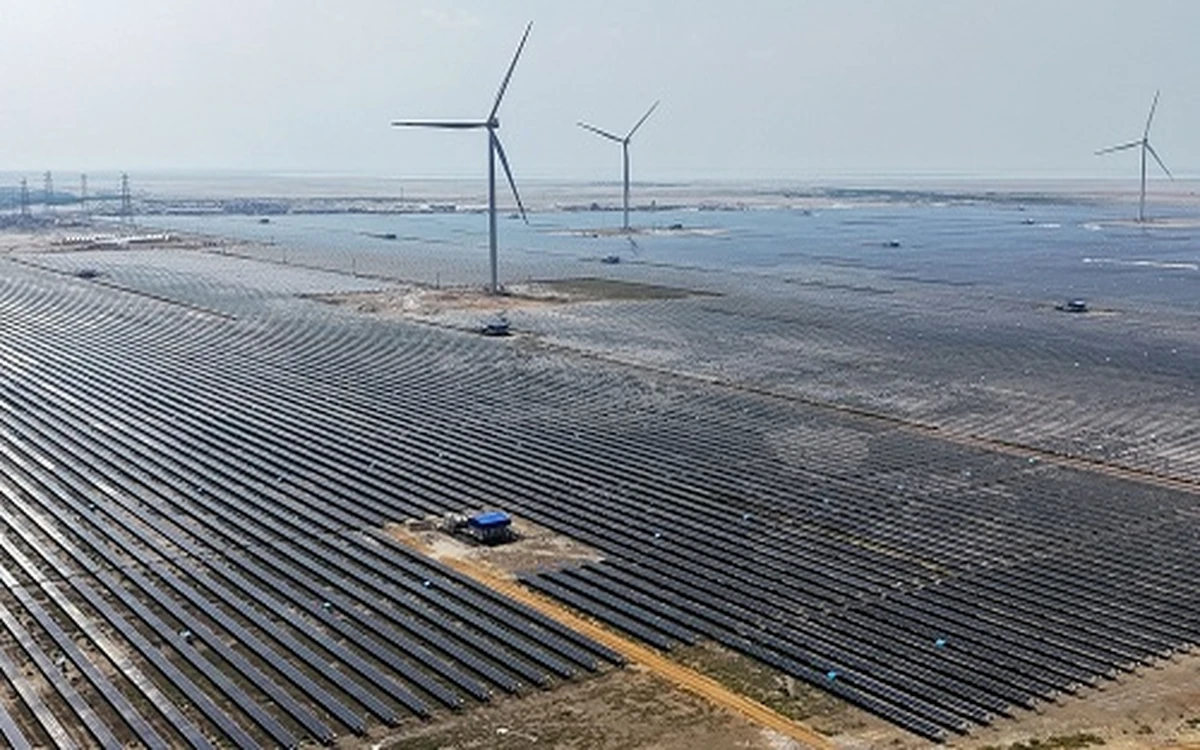
Tata Power currently has nearly 5 GW of renewable energy projects under implementation, all being executed internally. The company expects around 50% of these projects to be completed during the current financial year, with the remaining capacity scheduled for commissioning in FY28.
Dr. Sinha stated that the company has a robust project pipeline and is focused on timely implementation to begin power generation from these facilities over the next two years.
Mundra Resolution Progresses
Addressing issues related to the Mundra plant, Dr. Sinha said Tata Power has concluded the Supplementary Power Purchase Agreement (SPPA) with Gujarat and is in the process of finalizing agreements with four other states. The company expects these processes to be completed within the next four to six weeks.
The plant is currently operating under Section 11 provisions, with tariffs aligned to the SPPA framework. The related financial impact has already been accounted for in the company's quarterly results and will continue to be reflected in future operations.
Expansion Plans and Manufacturing Investments
Tata Power plans to continue expanding its distribution business while undertaking significant capital expenditure in utility-scale renewable projects, hydropower developments in Bhutan, and the pumped hydro storage project at Bhivpuri.
The company also plans to commence work on a new 10 GW wafer and ingot manufacturing facility, to be developed in two phases. This project will support Tata Power's solar cell and module manufacturing operations, which will require Indian-made wafers from June 1, 2028, onwards.
Capex Guidance Maintained Despite Delays
Commenting on capital expenditure, Dr. Sinha acknowledged that Tata Power fell short of its earlier investment guidance due to delays in project execution during the last quarter. Several utility-scale solar, wind, and transmission projects experienced setbacks because of right-of-way (ROW) issues and delays in transmission infrastructure being developed by third parties under the Tariff-Based Competitive Bidding (TBCB) framework.
The company is now targeting completion of around 600 MW of utility-scale projects in the current quarter. Delayed transmission projects are also progressing as ROW issues are resolved.
Dr. Sinha emphasized that these delays represent timing issues rather than cancellations, and Tata Power expects to complete all deferred projects during the current financial year while maintaining its long-term investment targets.
Renewable Capacity Addition to Accelerate
Discussing renewable energy expansion, Dr. Sinha said the company's integrated manufacturing strategy is helping secure the supply chain for future projects. With around 5 GW of projects in the pipeline, Tata Power expects execution momentum to strengthen from the first quarter onward.
Unlike the previous year, when the company executed a substantial number of third-party projects, all upcoming projects will be developed in-house. Tata Power implemented approximately 2,500 MW of projects last year, and a similar or slightly higher volume is expected to be executed internally going forward.
Rooftop Solar Business Targets 20% Market Share
Tata Power is aiming to significantly expand its presence in the rooftop solar segment. Dr. Sinha stated that the company targets achieving 20% market share within the next three years.
Following a 100% growth in rooftop solar installations during FY26, Tata Power expects the business to continue its strong momentum in FY27, with projected growth of 50–60%. He noted that the company's manufacturing facilities are well-positioned to support both utility-scale and rooftop solar demand.
With government subsidy programs requiring the use of Indian-made cells and modules for rooftop installations, Tata Power expects its domestic manufacturing operations to benefit. Additionally, from June 1, 2026, several projects will require the use of Indian-made solar cells, further strengthening demand for the company's integrated manufacturing capabilities.
The company believes its manufacturing platform is strategically positioned to serve the growing requirements of both large-scale renewable energy projects and India's rapidly expanding rooftop solar market.
1 days ago
Total Views : 13
1 days ago
Total Views : 9

last week
Total Views : 33
last week
Total Views : 18
last week
Total Views : 105
last week
Total Views : 55
2 weeks ago
Total Views : 132

2 weeks ago
Total Views : 142

2 weeks ago
Total Views : 89
2 weeks ago
Total Views : 58